Ameresco
How Ameresco and RUSA’s Renewable Energy and Resiliency Initiative Is Strengthening Wastewater Reliability and Earning Industry Recognition
Published November 2, 2026
Ameresco
Published November 2, 2026
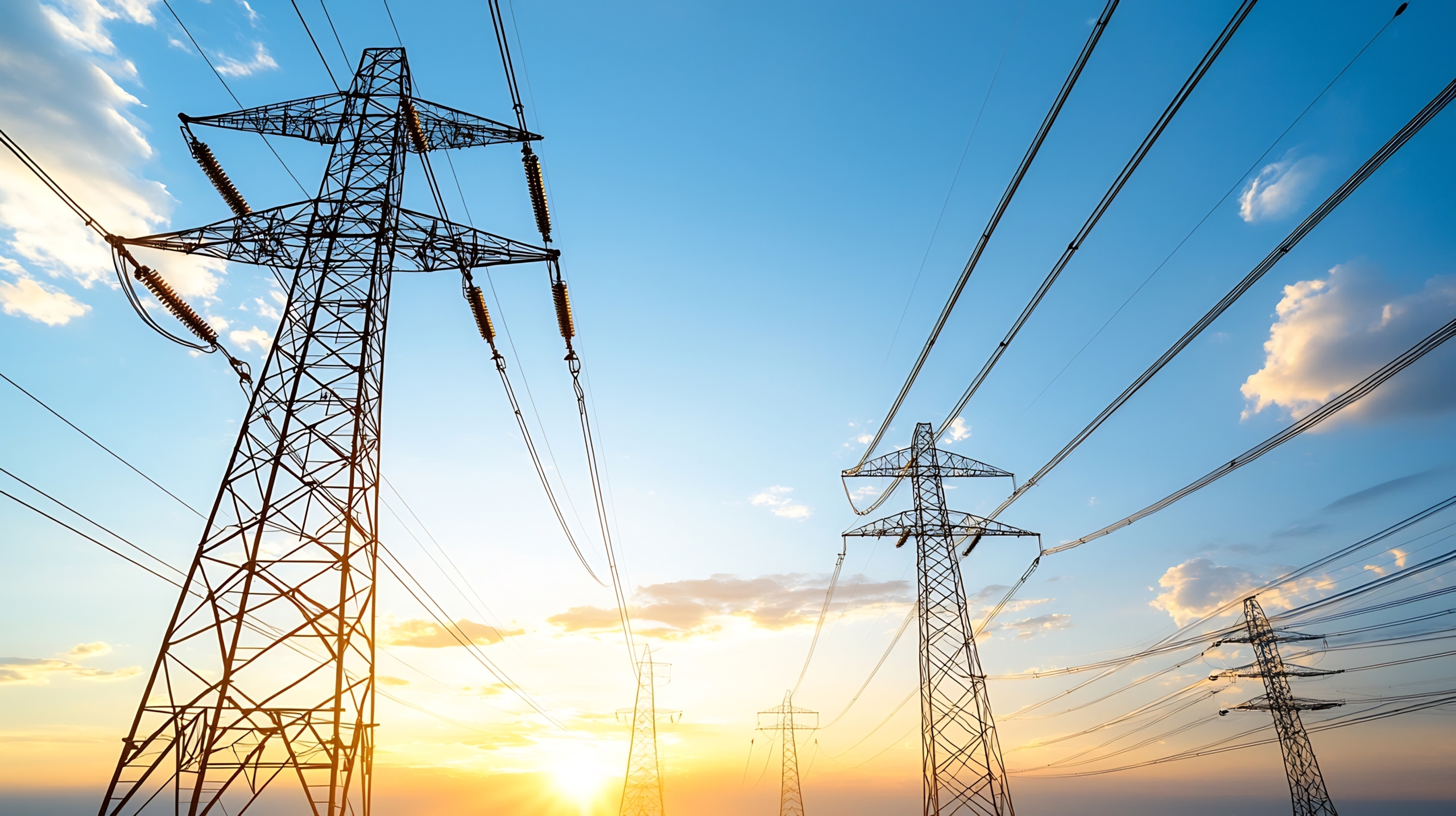
With three industry awards this year, the initiative demonstrates how integrated energy infrastructure can strengthen reliability and resilience for essential public services.
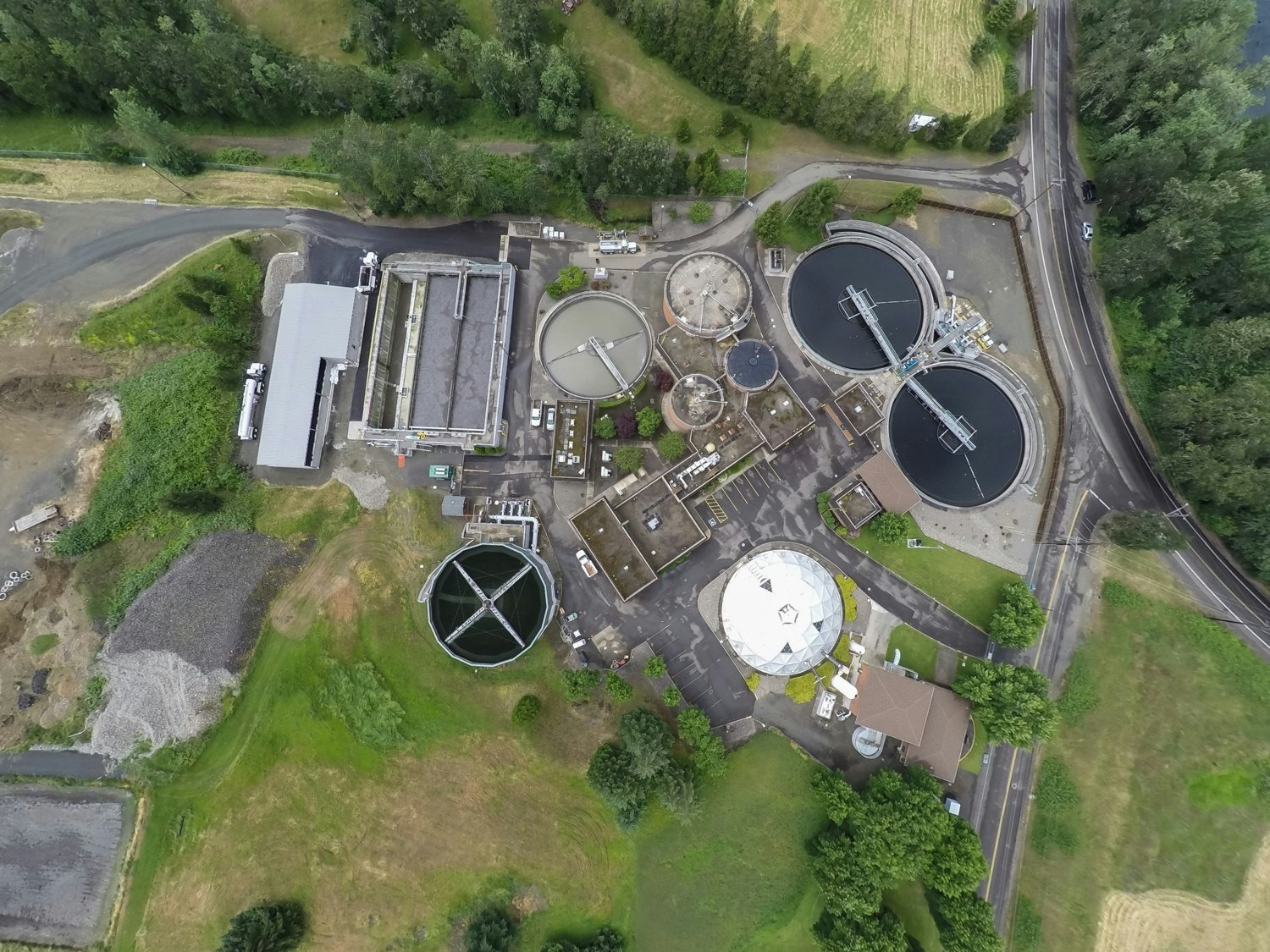
Wastewater facilities provide essential public services that communities rely on every day, and maintaining those services depends on reliable power, especially during grid disruptions. Ameresco has worked with the Roseburg Urban Sanitary Authority (RUSA) in Roseburg, Oregon, to strengthen reliability through a multi-facility renewable energy and resilience initiative that integrates solar generation and battery storage across the agency’s operations.
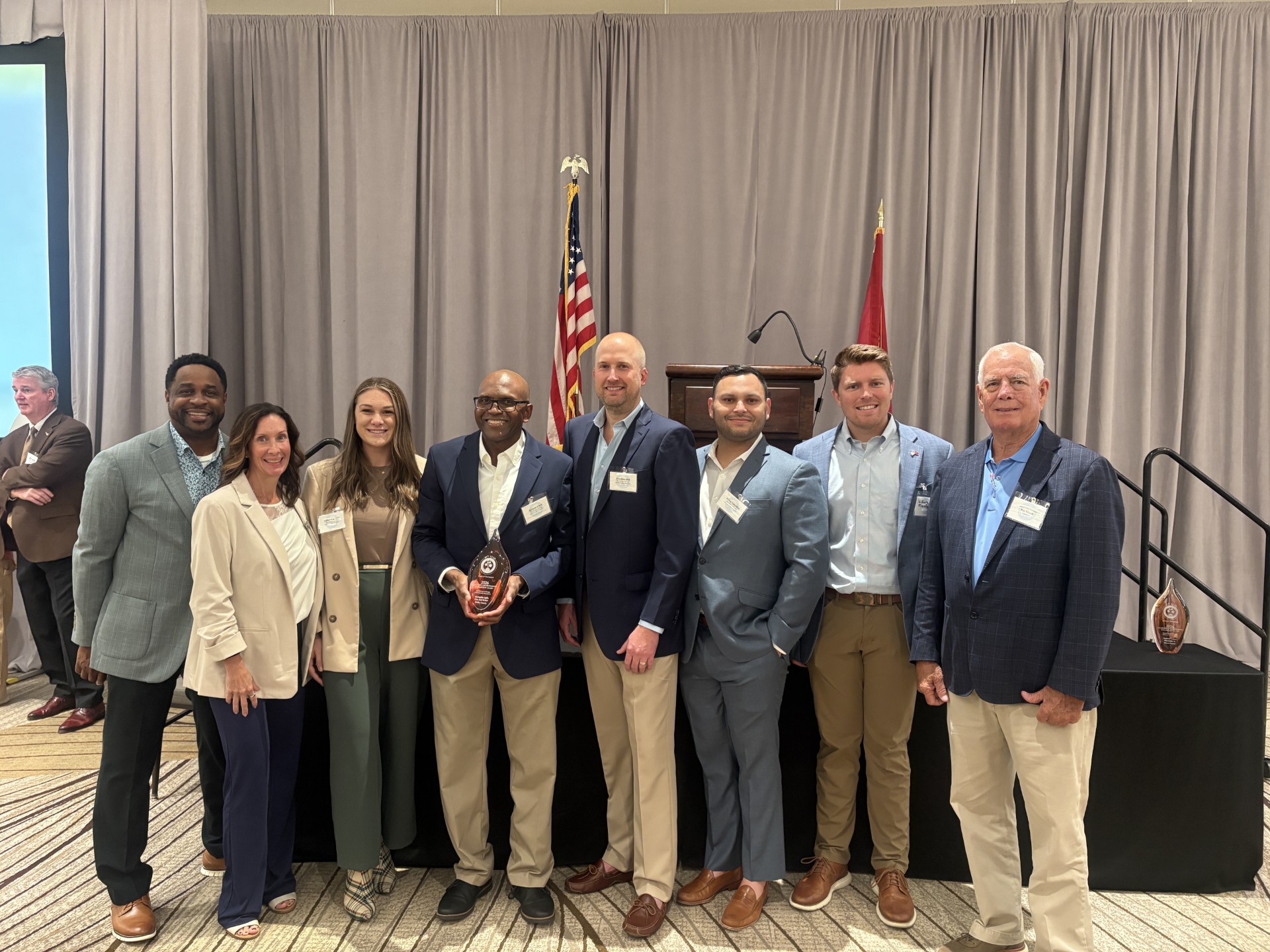
Over the past several months, that work has drawn a series of prestigious honors from leading water sector organizations across the Pacific Northwest, most recently the Pacific Northwest Clean Water Association (PNCWA), which selected RUSA’s Renewable Energy and Resiliency Initiative as the recipient of its 2026 Excellence in Resource Recovery & Sustainability Award.
The PNCWA honor follows two 2026 Best of the Best Awards from the Oregon Association of Clean Water Agencies (ACWA) presented in July, bringing the initiative’s total to three industry awards this year, positioning the initiative as a benchmark for how public agencies can modernize infrastructure.
What is the RUSA project?
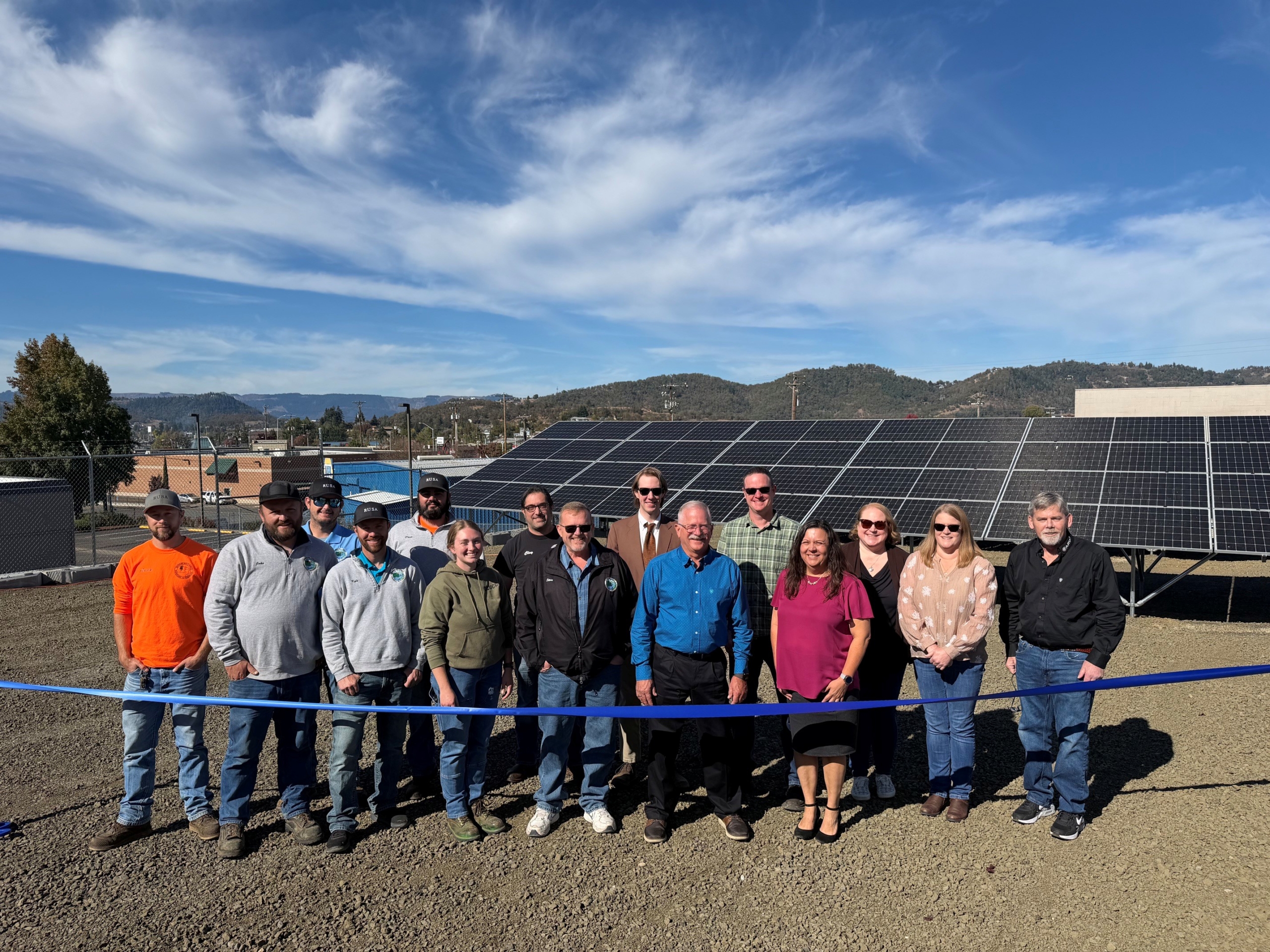
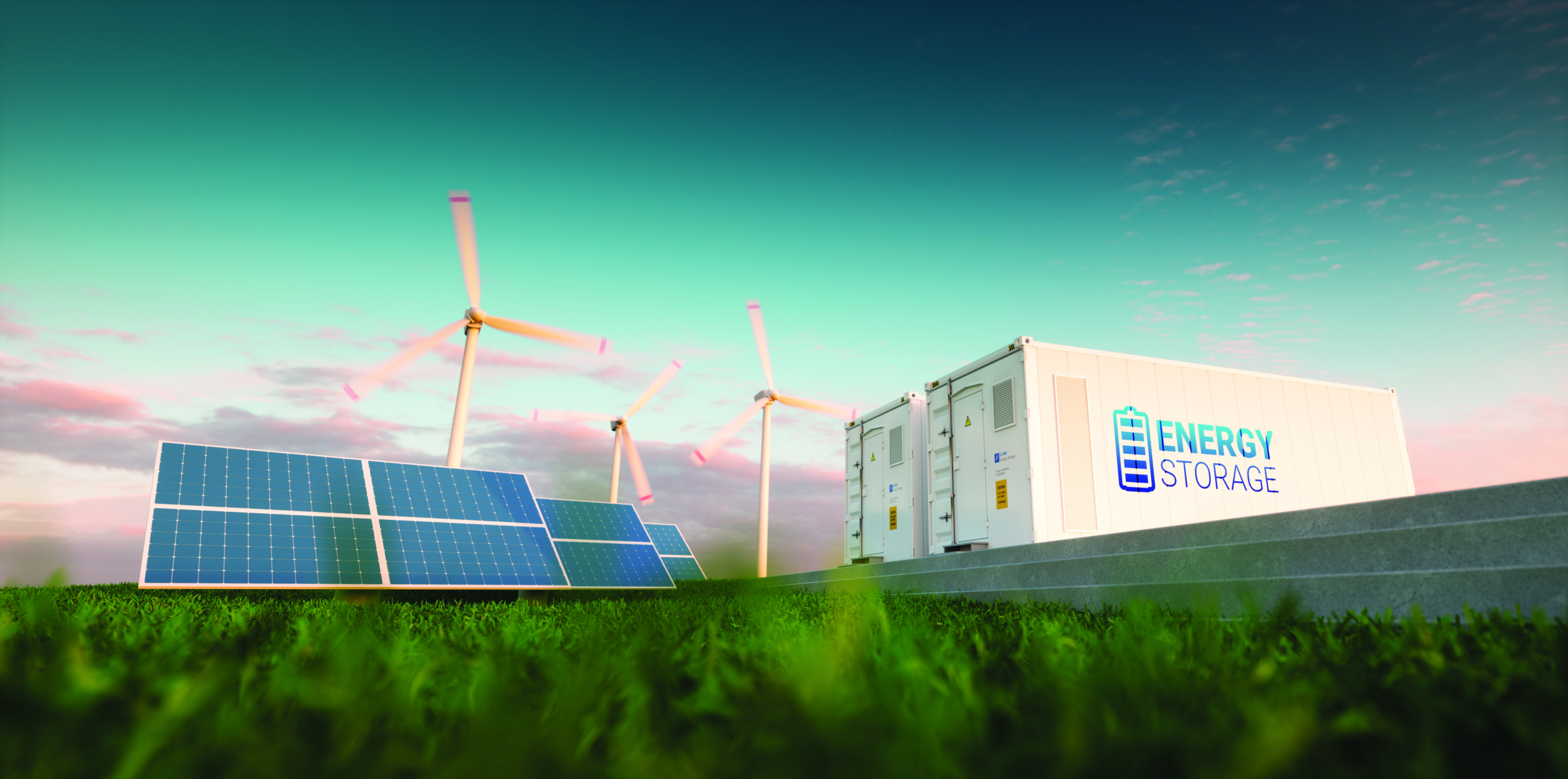
In collaboration with Ameresco, the initiative combines solar photovoltaic (PV) generation and a battery energy storage system (BESS) at RUSA’s Main Office with planned solar PV projects at its Wastewater Treatment Plant (WWTP) and Natural Treatment System (NTS). RUSA and Ameresco designed the projects as a coordinated program across all three facilities and expect them to improve operational reliability, reduce long-term costs, and strengthen community resilience during grid disruptions.
The combined projects are also projected to drive significant environmental benefits for the region, generating an expected 1.8 GWh of renewable electricity annually. That output would offset approximately 100% of electrical consumption at the Main Office, 44% at the WWTP, and 64% at the NTS.
How does the initiative strengthen energy reliability and resilience?
As a provider of essential public services, RUSA places a high priority on maintaining reliable operations under all conditions, including grid disruptions and emergencies. Pairing onsite solar generation with battery storage at the Main Office strengthens that capability, and the planned projects at the WWTP and NTS will extend the initiative’s reliability benefits across the agency’s treatment operations.
The initiative also serves as an example for the broader industry on how to make effective use of existing infrastructure. At the NTS, floating solar technology will convert an existing treatment pond into a source of renewable energy, adding generation capacity without requiring new land.
How was the initiative funded?
Through their collaboration, RUSA and Ameresco developed a layered funding strategy to accelerate implementation while minimizing costs to the agency and its ratepayers. The strategy combines grant funding from the Oregon Department of Energy’s Community Renewable Energy Grant Program (C-REP), financing through the Oregon Department of Environmental Quality’s Clean Water State Revolving Fund (CWSRF), Energy Trust of Oregon incentives for eligible project components, and federal investment tax credits.
Bringing these sources together requires close coordination among RUSA, Ameresco, and agency partners. The project team has worked with the Oregon Department of Environmental Quality to align project design, environmental review, procurement, and construction requirements with CWSRF financing, while also managing grant, incentive, and tax credit requirements across each phase of the initiative.
Why does this recognition matter for RUSA and Ameresco?
Each of this year’s awards highlights a different dimension of the initiative’s impact, from its approach to energy recovery to the leadership that brought it forward:
How did the partnership between RUSA and Ameresco begin?
The recognition Baird received reflects years of groundwork. Having worked in the Roseburg area’s water and wastewater field since 1991 and serving as RUSA’s General Manager for the past nine years, Baird first evaluated renewable energy for the agency in 2018. While the timing was premature at that point, he continued to pursue operational improvements, and in 2023 he led RUSA into a collaboration with Ameresco through an Energy Savings Performance Contract (ESPC).
Pairing RUSA’s operational knowledge with Ameresco’s energy infrastructure expertise, that collaboration became the foundation for the multi-facility initiative now drawing recognition across the region.
What comes next for RUSA and Ameresco?
RUSA and Ameresco continue to advance the planned solar PV projects at the WWTP and NTS, which will extend the initiative’s reliability and cost benefits across all three facilities. Together, the three awards affirm the value of their coordinated approach to modernizing wastewater infrastructure, one that strengthens reliability, manages long-term costs, and supports the community RUSA serves.
To learn more about the project, visit the RUSA solar PV project page.
November 5, 2026


 Designing Power: Behind-the-Meter Battery Energy Storage Systems (BESS)