Ameresco Insights
Designing Power: What Is Behind-the-Meter Power?
Published November 2, 2026

Ameresco Insights
Published November 2, 2026
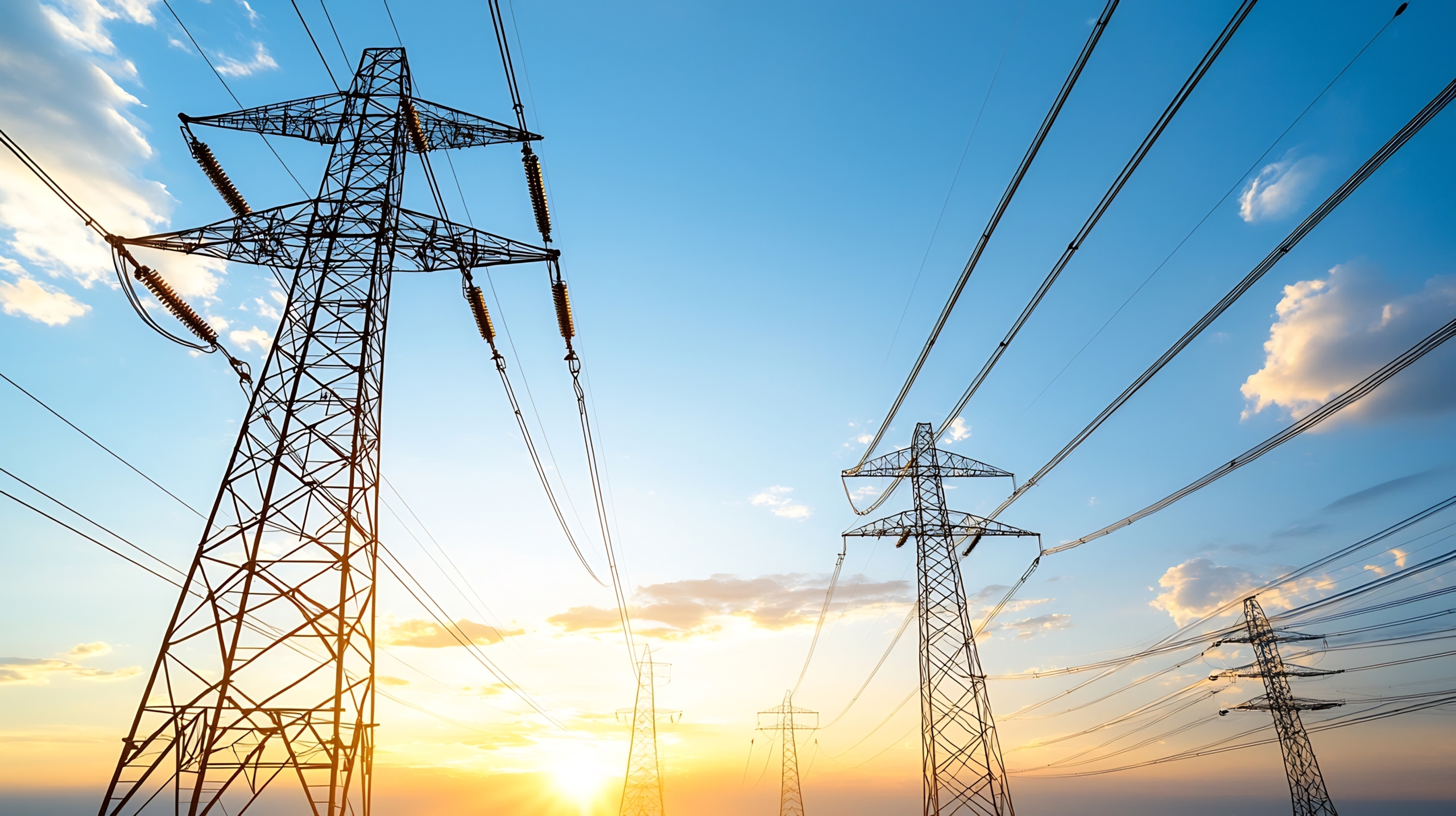
Electricity demand is rising, putting access to reliable power at the center of development decisions. Data centers, manufacturing facilities, and other large energy users face grid capacity constraints, lengthy interconnection timelines, and infrastructure upgrades that can take years to complete.
These constraints are driving organizations to seek greater control over how power is supplied, managed, and deployed. Behind-the-meter power provides one path forward. By locating energy resources on the customer side of the utility meter, organizations can supplement grid-supplied electricity and create more flexibility in meeting their energy needs.
What Is Behind-the-Meter Power?
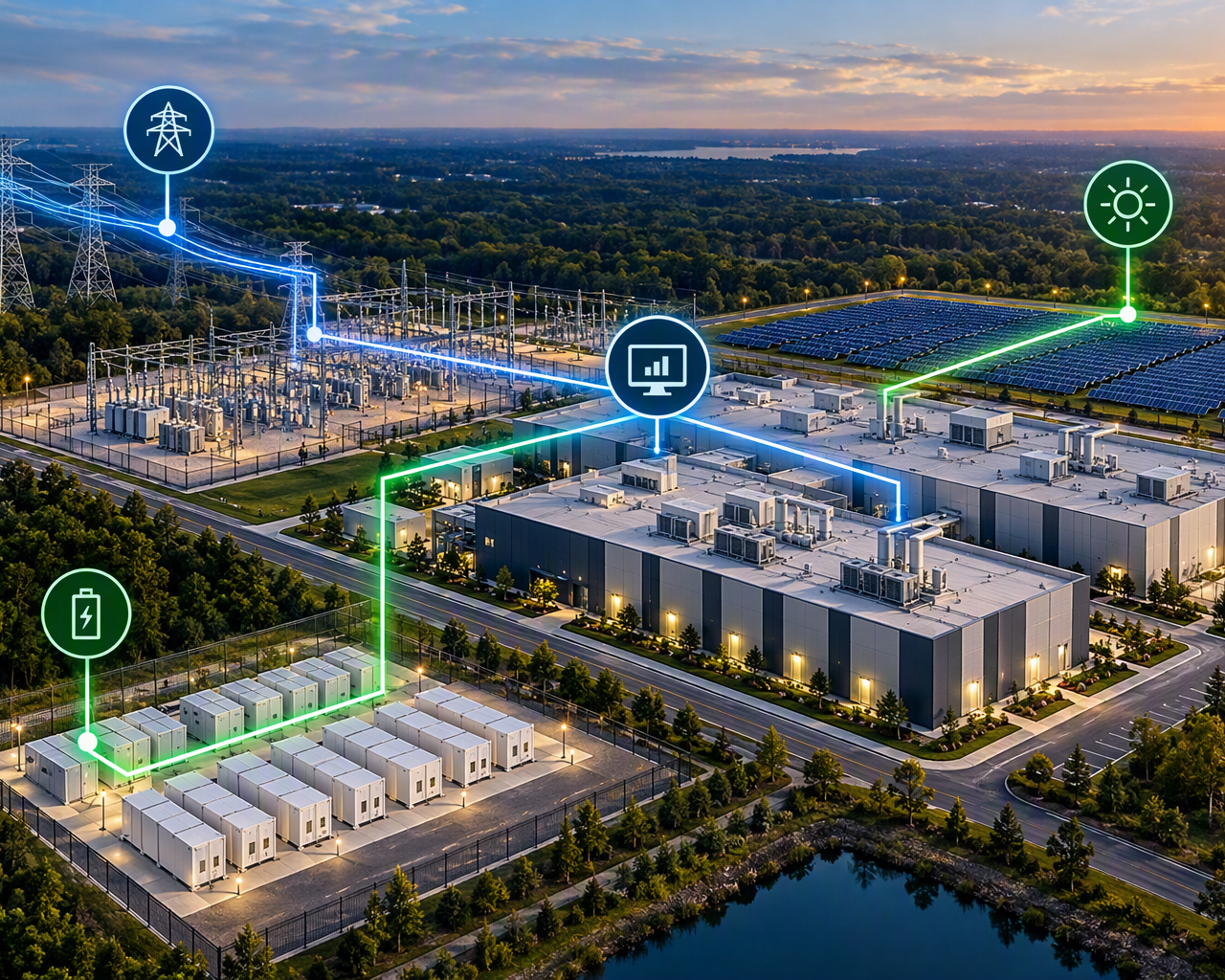
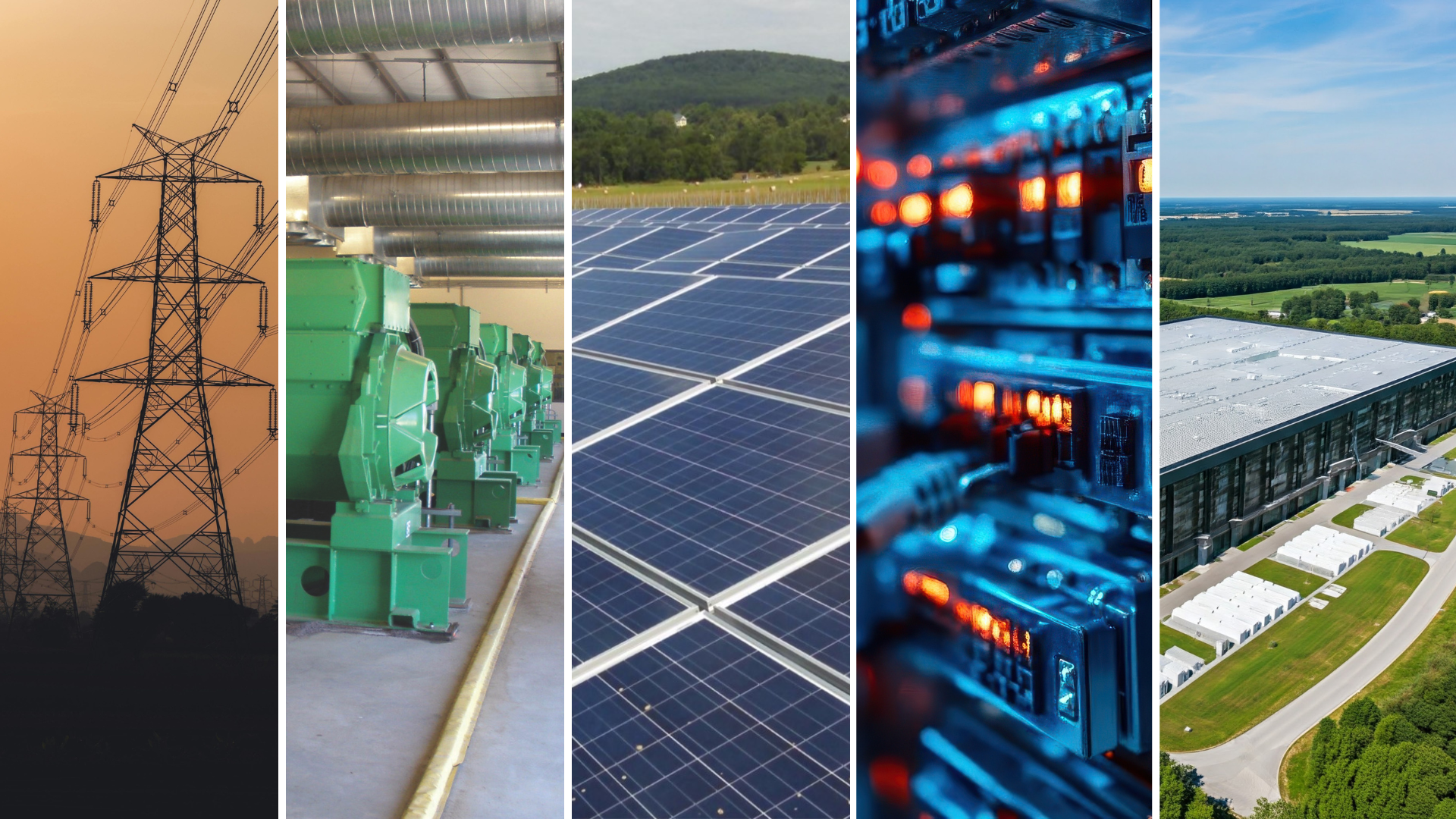
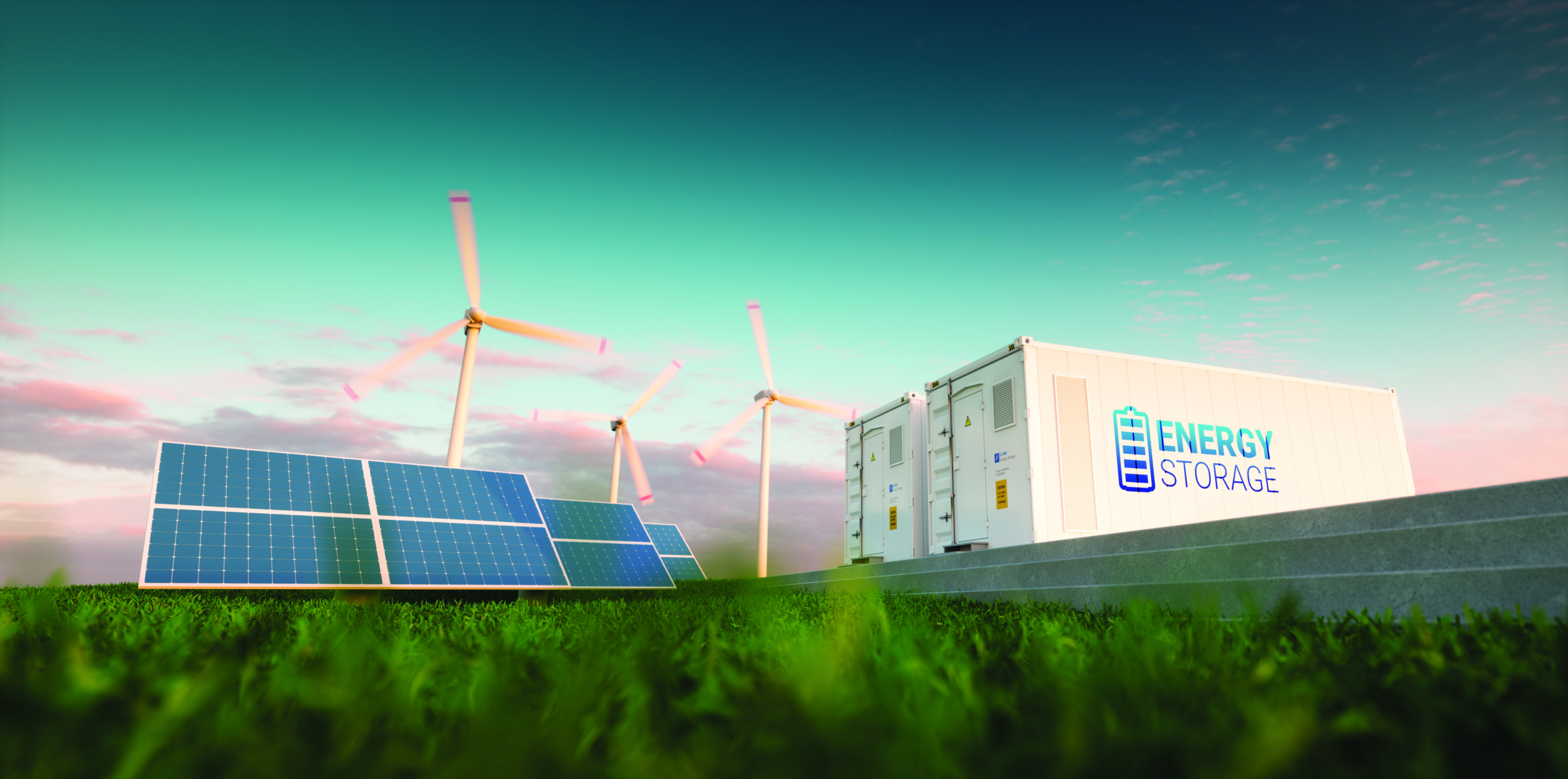
Behind-the-meter power refers to generation, storage, and energy management resources located on the customer’s side of the utility meter. These resources can include firm and renewable onsite generation, battery energy storage systems (BESS), microgrids, and energy management technologies that help determine when and how electricity is consumed.
The concept is often misunderstood as an effort to replace the electric grid. In practice, most behind-the-meter systems work alongside utility service rather than independently of it. The goal is to provide greater control, flexibility, and resilience while maintaining access to the broader electric system. Depending on the facility’s needs, behind-the-meter resources may support peak demand management, backup power, and operational continuity.
Why Is Behind-the-Meter Power Important for Data Centers and Large Energy Users?
Power availability can have a direct impact on development decisions. While facilities may be designed and constructed within a few years, securing sufficient grid capacity can require significantly longer timelines. In some markets, power infrastructure timelines do not align with development schedules.
Growth in AI, cloud computing, manufacturing, electrification, and digital infrastructure is adding pressure to existing power systems. For large energy users, access to power at the right time and location can shape project schedules, site selection, and long-term investment decisions. Behind-the-meter resources provide another option for addressing power requirements when available grid capacity or utility timelines do not align with development needs.
How Are Organizations Addressing Power Availability Constraints?
Organizations are pursuing a range of behind-the-meter strategies based on operational requirements, local market conditions, and long-term growth objectives. Common approaches include onsite generation, battery energy storage systems, microgrids, distributed energy resources, and advanced controls that help optimize energy use.
In many cases, these technologies are integrated into broader energy strategies rather than deployed as standalone assets. Onsite generation, storage, and utility service can work together to address reliability, resilience, and capacity requirements.
For data centers, industrial facilities, and other power-intensive operations, behind-the-meter resources can provide additional flexibility when utility upgrades are delayed or available grid capacity cannot support future growth.
What Does the Future of Behind-the-Meter Power Look Like?
Power availability is now a significant consideration in development and expansion decisions. Behind-the-meter resources give organizations another way to plan for and address their energy requirements.
Rather than replacing utility service, onsite generation, storage, and other resources can work alongside the grid to provide greater flexibility in planning and managing energy supply. For large energy users, that flexibility can help support both near-term development and long-term energy needs.
This article accompanies the latest episode in Ameresco’s Designing Power video series, “Why Power Strategy Is Becoming a Business Strategy.” Watch the video to learn more about how power strategy is influencing energy infrastructure planning, reliability, and long-term growth.
What is behind-the-meter power, and why are organizations using it?
Behind-the-meter power refers to generation, storage, and energy management resources located on the customer side of the utility meter. These resources can supplement grid-supplied electricity, giving organizations greater control and flexibility in meeting their energy needs while supporting resilience.
Why is behind-the-meter power important for data centers?
Data centers require significant amounts of reliable power, but available grid capacity and utility infrastructure timelines may not align with development schedules. Behind-the-meter resources can help address those constraints by supplementing utility service and supporting both near-term power requirements and future growth.
How does behind-the-meter power work with the electric grid?
Behind-the-meter power typically works alongside the electric grid rather than replacing it. Onsite generation, storage, and other resources can complement utility service, giving organizations greater flexibility in how they manage and meet their energy needs.
Can behind-the-meter power help when grid capacity is limited or utility upgrades are delayed?
Behind-the-meter resources can supplement utility service when grid capacity is constrained or infrastructure upgrades do not align with project timelines. Onsite generation, storage, and other energy resources can be integrated based on a facility’s specific power and operational requirements.
How can behind-the-meter power support future energy needs?
Behind-the-meter resources can give organizations more options for planning and managing their power supply as energy needs change. By combining onsite generation, storage, and other resources with utility service, large energy users can support near-term development while planning for longer-term requirements.
November 5, 2026


 How Ameresco and RUSA’s Renewable Energy and Resiliency Initiative Is...