Ameresco Insights
Designing Power: Behind-the-Meter Battery Energy Storage Systems (BESS)
Published November 5, 2026

Ameresco Insights
Published November 5, 2026
For manufacturers and other energy-intensive facilities, power requirements can change faster than the infrastructure serving them. New equipment, expanded production, and electrification can increase demand at a site, while available utility capacity may not increase at the same pace.
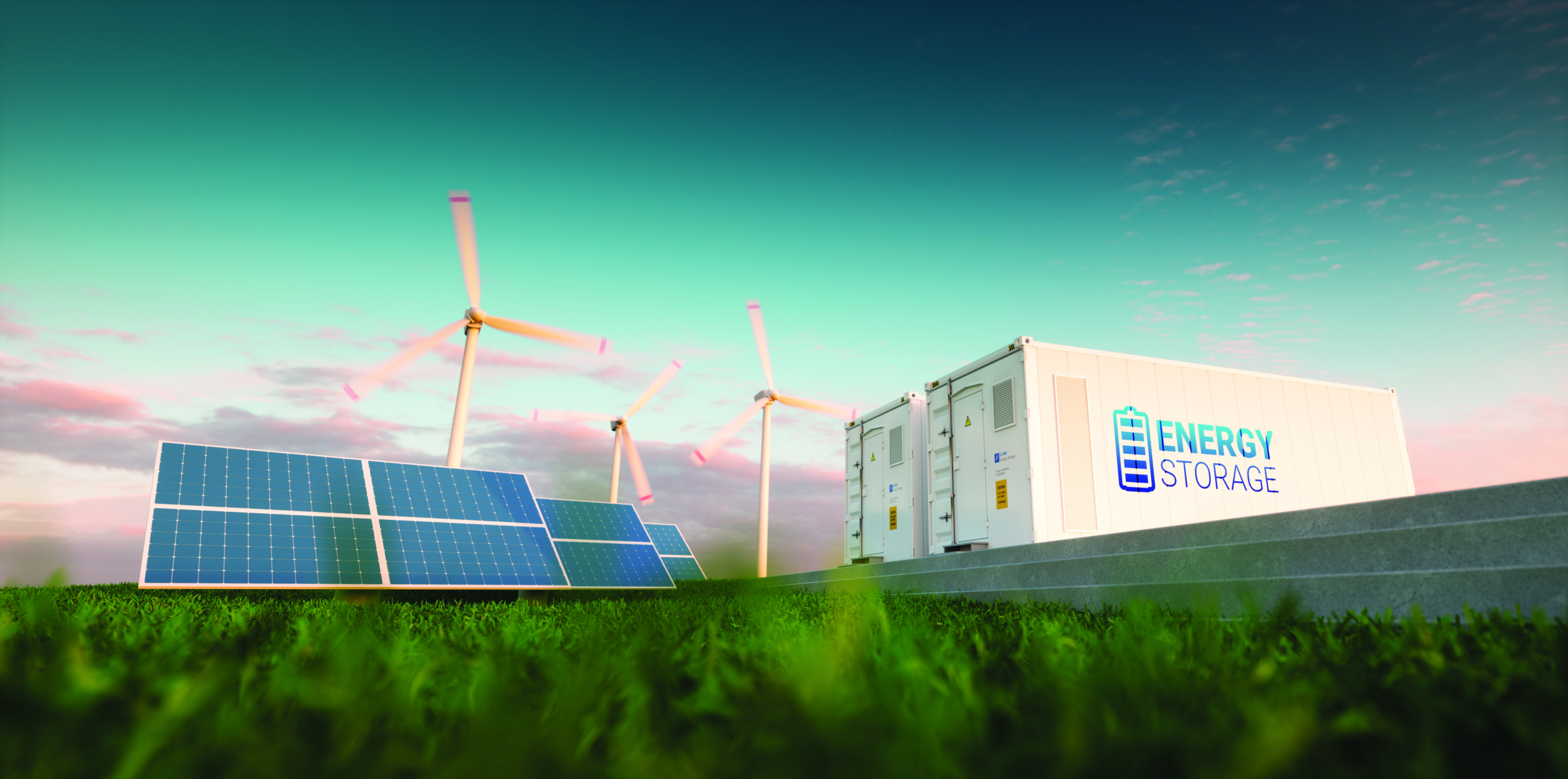
Battery energy storage systems (BESS) store energy for use when it is needed, helping organizations manage power demand, supplement grid-supplied electricity, and gain more flexibility in managing changing power requirements.
What Is Behind-the-Meter Battery Storage?
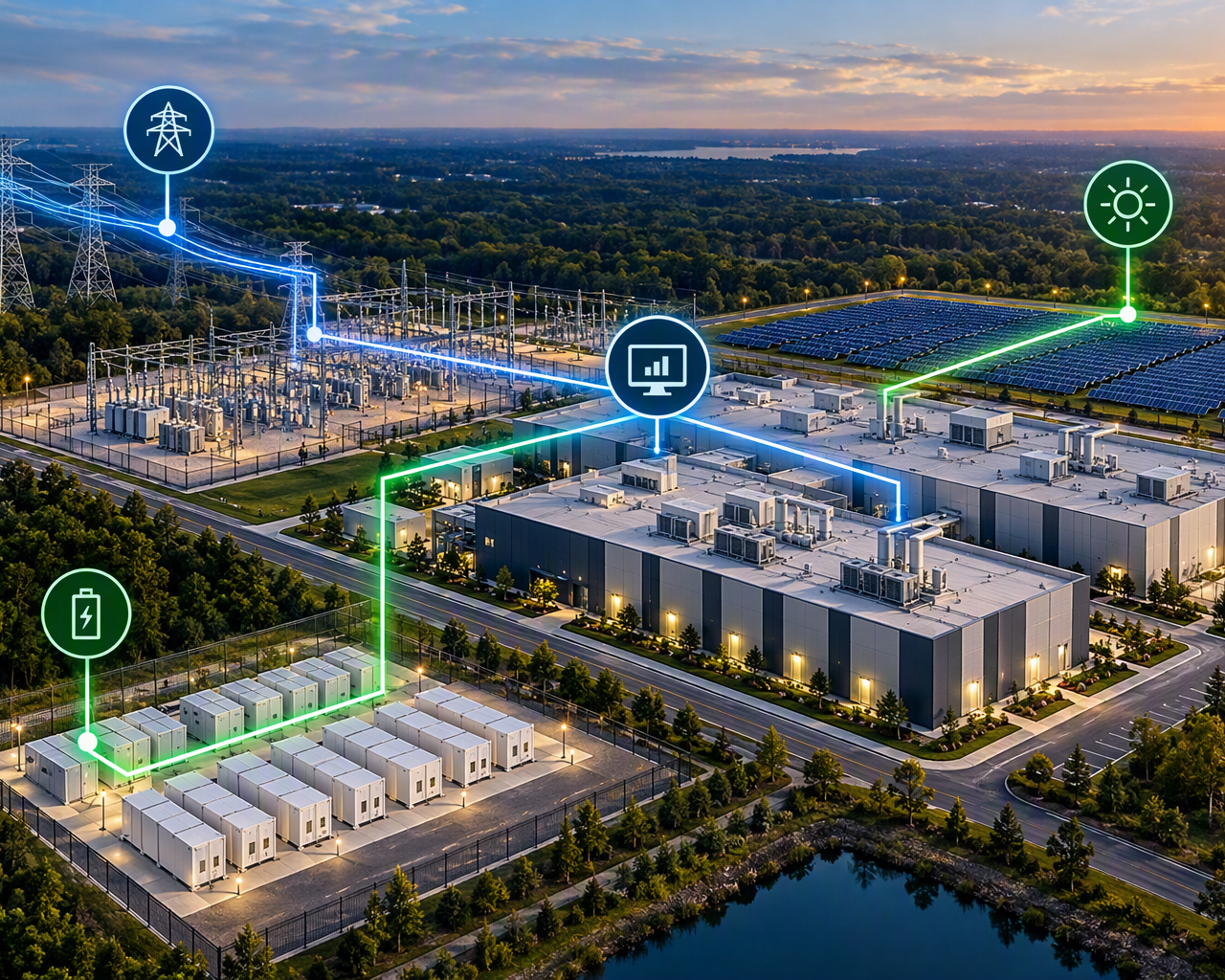
Behind-the-meter battery energy storage refers to a BESS located on the customer side of the utility meter. The meter marks the point between the utility system and the customer’s electrical system, so a battery installed behind it becomes part of the facility’s onsite energy infrastructure.
The battery can charge during periods of lower demand and discharge when the facility needs additional power. Rather than replacing the grid, it works alongside utility service as part of the facility’s broader energy infrastructure. Behind-the-meter storage can help manage dynamic loads and energy costs while supporting resilience and reliability.
Why Does Behind-the-Meter Battery Storage Matter for Large Energy Users?
A large facility’s electrical demand can vary throughout the day. Production schedules, equipment operation, charging loads, and other electrical uses can create periods when power requirements rise above typical operating levels.
For manufacturers with large, energy-intensive operations, battery storage can help balance those fluctuations by supplying stored energy during periods of higher demand. This can reduce the facility’s peak draw from the grid as electrical loads change.
Interest in behind-the-meter battery storage is growing as large energy users look for more flexibility in how they manage onsite power requirements. The SEIA and Benchmark Mineral Intelligence Energy Storage Market Outlook reported that commercial and industrial behind-the-meter storage added 1.8 GWh in the second quarter of 2026, driven largely by demand from data centers.
How Does Behind-the-Meter Battery Storage Affect Facility Power Planning?
Without onsite storage, a facility generally relies on grid-supplied electricity to meet changes in electrical load as they occur. Adding a battery gives operators another resource within the facility’s electrical system for managing those loads. Its role depends on the site’s load profile, including the timing and duration of demand peaks, the power available from the grid, and the battery’s size and operating strategy. Battery energy storage should therefore be evaluated as part of the overall power system rather than as an isolated asset.
How Can Battery Storage Help Facilities Manage Peak Demand?
Peak demand occurs when a facility’s electrical load reaches a high point. Behind-the-meter storage can reduce the amount of power that must come directly from the grid during those periods by discharging stored electricity into the facility.
Consider a manufacturer whose production load rises during a particular operating period. Instead of requiring the grid to supply the full increase as it occurs, a battery can serve part of that additional load. This does not add capacity to the utility grid. It changes the facility’s demand on that grid. For sites facing variable loads, that distinction can be important when evaluating expansion or electrification.
Behind-the-Meter Battery Energy Storage Systems and Changing Facility Power Needs
For manufacturers and other large energy users, behind-the-meter storage adds flexibility to the relationship between facility demand and grid supply. Instead of requiring every increase in load to be met by a corresponding increase in grid draw at the same moment, storage provides another onsite resource for managing changing power requirements.
As facilities add equipment, electrify processes, or plan for changing loads, understanding how demand, grid availability, and onsite resources interact becomes an important part of power planning. Behind-the-meter battery storage is one option for managing that relationship, particularly where loads fluctuate or peak-demand management is a priority.
This article accompanies the sixth episode in Ameresco’s Designing Power video series, “Behind-the-Meter Battery Storage Explained.” The video explores behind-the-meter battery storage as part of a broader approach to facility power planning and managing changing energy demands.
This article accompanies the latest episode in Ameresco’s Designing Power video series, “Why Power Strategy Is Becoming a Business Strategy.” Watch the video to learn more about how power strategy is influencing energy infrastructure planning, reliability, and long-term growth.
What is a battery energy storage system (BESS)?
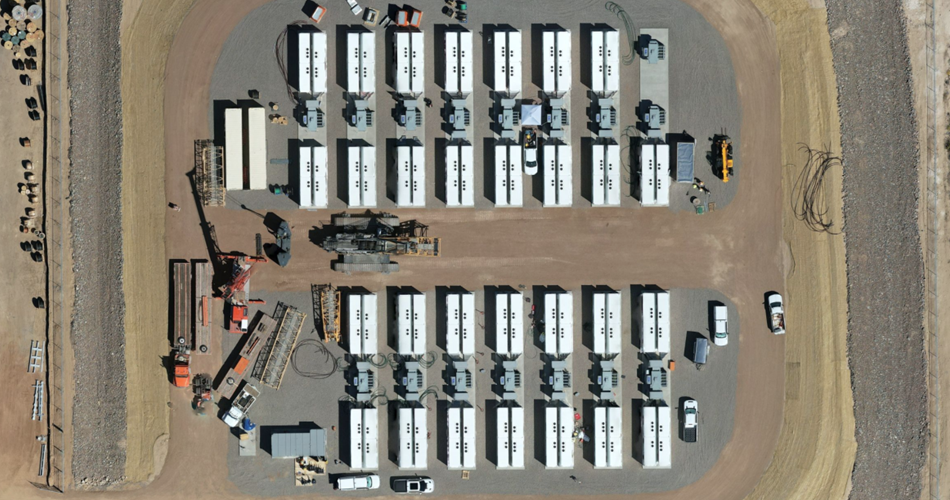
A battery energy storage system (BESS) stores electricity so it can be used at a later time. A BESS typically includes batteries, power-conversion equipment, controls and supporting electrical infrastructure.
What is behind-the-meter battery storage?
Behind-the-meter battery storage is installed on the customer side of the utility meter. It stores electricity for later use and can discharge that energy to serve onsite electrical loads.
Does behind-the-meter battery storage replace the grid?
No. The facility remains connected to the grid while the battery operates as part of its onsite energy system, providing stored energy when needed.
Can battery storage reduce peak demand?
A BESS can serve part of a facility’s electrical load during periods of high demand, reducing the amount of power drawn from the grid at that time. Actual performance depends on system size, stored energy, discharge rate, controls and the facility’s load profile.
Why would a manufacturer use behind-the-meter battery storage?
Manufacturing loads can change as equipment and production requirements vary. Behind-the-meter storage gives a facility another onsite resource for managing those changing electrical requirements alongside grid-supplied power.
What factors matter when evaluating behind-the-meter battery storage?
Key considerations include the facility’s load profile, when demand occurs, available grid power, onsite generation, and the characteristics of the battery storage system.
November 5, 2026