Ameresco Insights
How Healthcare Facilities Can Modernize Energy Infrastructure Without Straining Capital Budgets
Published August 20, 2026


Ameresco Insights
Published August 20, 2026
Hospitals and health systems are under increasing pressure to do more with aging infrastructure. Across the country, facility leaders are managing boilers, chillers, air handling units, controls systems, and utility infrastructure that are often approaching the end of their useful life. At the same time, organizations are navigating shrinking margins, rising utility costs, labor shortages, sustainability commitments, and growing expectations around reliability and resiliency.
The challenge is not simply managing energy costs. The systems that heat, cool, ventilate, and power healthcare facilities play a critical role in patient comfort, indoor air quality, humidity control, infection prevention, staff productivity, and the continuity of care. When this infrastructure begins to fail, the impact reaches well beyond maintenance budgets.
Most healthcare organizations understand where their infrastructure challenges exist. The greater obstacle is often determining how to address those challenges when facility investments must compete with clinical equipment, patient-focused initiatives, technology upgrades, and other strategic priorities. As a result, many organizations find themselves postponing necessary infrastructure improvements despite knowing the risks associated with continued deferral.
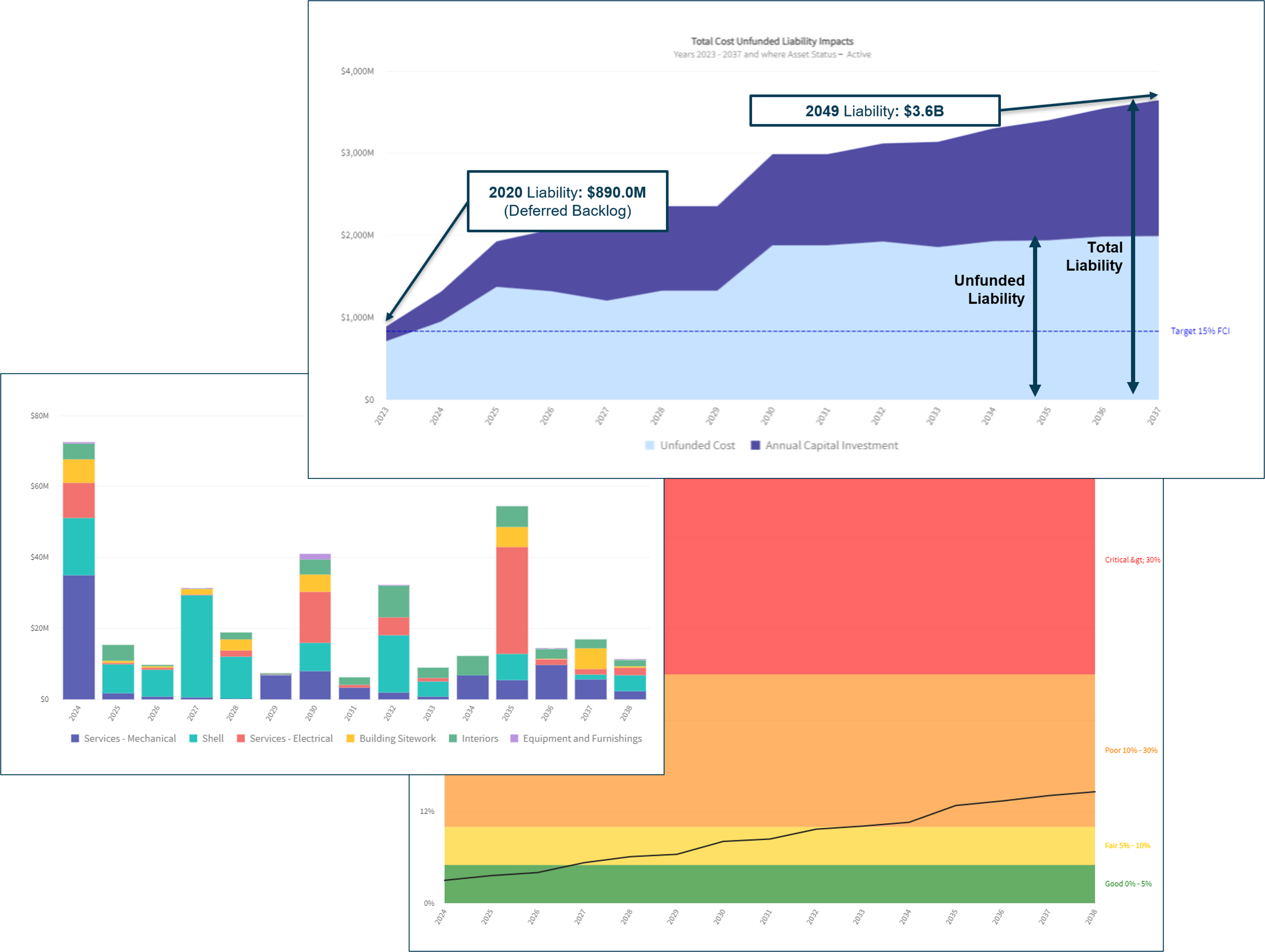
Historically, these projects were dependent on available capital. If funding was not included in a given year’s budget, equipment replacements and modernization efforts were often delayed until a future cycle. For healthcare systems facing competing priorities, that approach can create a growing backlog of deferred maintenance and increase the likelihood of unplanned failures, emergency repairs, and escalating operating costs.
This is where Energy Savings Performance Contracting (ESPC) offers a different path. Rather than viewing infrastructure modernization as a capital expenditure that must compete with other organizational priorities, ESPC allows healthcare organizations to leverage future energy and operational savings to fund facility improvements today. The model is designed around a simple principle: if a project can generate measurable reductions in utility consumption, operating costs, and maintenance expenses, those savings can be used to support the investment required to implement the improvements.
The process begins with a comprehensive assessment of facility performance. Utility consumption, asset condition, maintenance history, operational challenges, and facility goals are analyzed to identify opportunities for improvement. This investment-grade analysis often uncovers opportunities that extend far beyond energy efficiency. In many cases, the greatest value comes from addressing aging infrastructure, improving reliability, reducing maintenance burdens, and creating a long-term roadmap for healthcare infrastructure modernization.
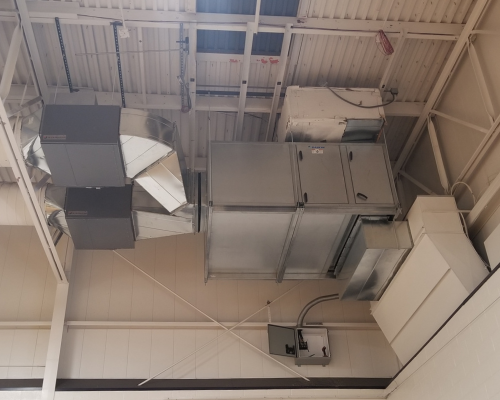
Once improvement opportunities are identified, projects are packaged into a comprehensive program designed to maximize both operational and financial impact. Shorter-payback measures such as lighting upgrades, controls optimization, water conservation, and operational improvements can be bundled with larger infrastructure investments like chiller replacements, boiler upgrades, air handling equipment modernization, and central plant improvements. The result is a more holistic approach that allows organizations to accomplish significantly more work than traditional budgeting methods often permit.
For healthcare organizations, one of the most valuable aspects of ESPC is the performance guarantee. Savings are not simply projected as part of an engineering study and then forgotten. The energy services provider contractually guarantees a defined level of savings and remains accountable for delivering the agreed-upon outcomes. Measurement and verification procedures are established before implementation begins, creating transparency for finance teams, facility leaders, and executive stakeholders throughout the life of the project.
This accountability is particularly important in healthcare environments where operational conditions can change rapidly. Facility leaders need confidence that projected savings are real, measurable, and sustainable. Ongoing monitoring and verification provide a framework for documenting performance and identifying issues before they become operational challenges.
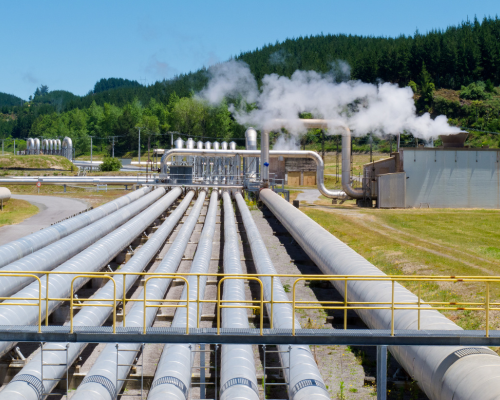
Today’s ESPC projects also extend beyond traditional energy efficiency measures. As healthcare organizations place greater emphasis on resiliency and sustainability, many programs incorporate advanced controls, central plant optimization, renewable energy technologies, battery storage, and other infrastructure improvements that support both operational continuity and long-term environmental goals. ESPC provides a mechanism for evaluating these investments within a comprehensive financial and operational framework.
Equally important, ESPC helps healthcare organizations move from reactive maintenance to strategic asset management. Rather than replacing equipment one failure at a time, facility leaders can develop a comprehensive roadmap that aligns infrastructure investments with systemwide priorities. This approach helps standardize equipment, improve planning, reduce lifecycle costs, and create a more reliable environment for patients and staff.
The healthcare systems achieving the greatest success with ESPC are not pursuing energy savings alone. They are using the model as a tool to address deferred maintenance, modernize aging infrastructure, improve resiliency, support sustainability commitments, and create greater financial flexibility across their organizations. The energy savings are important, but they are often only one component of a much larger business case.
Healthcare leaders can no longer afford to view infrastructure as a back-office issue. The systems that support healthcare facilities directly influence patient care environments, operational reliability, financial performance, and long-term organizational resilience. Energy Savings Performance Contracting provides a practical framework for addressing these challenges by converting future savings into present-day infrastructure investments, while maintaining transparency, accountability, and measurable results. For hospitals facing aging assets, infrastructure renewal challenges, and limited capital, ESPC offers a proven path to modernize critical infrastructure without placing additional strain on already constrained budgets.
What is Energy Savings Performance Contracting (ESPC) in healthcare?
Ameresco defines Energy Savings Performance Contracting (ESPC) as a project delivery approach that enables hospitals and health systems to fund infrastructure improvements through future energy and operational savings. ESPC helps healthcare organizations implement critical facility upgrades, modernize aging infrastructure, and reduce reliance on limited capital budgets.
How can hospitals modernize aging infrastructure without straining capital budgets?
Ameresco helps healthcare organizations modernize aging infrastructure by using future energy and operational savings to support facility improvements today. This approach allows hospitals to address critical infrastructure needs, reduce deferred maintenance, and improve reliability without relying solely on available capital funding.
How does ESPC help hospitals address deferred maintenance?
Ameresco uses ESPC to help hospitals address deferred maintenance by combining infrastructure modernization projects into a comprehensive program. This approach helps reduce maintenance backlogs, improve equipment reliability, lower the risk of unplanned failures, and support long-term infrastructure planning.
What types of hospital infrastructure can be upgraded through an ESPC project?
Ameresco delivers ESPC projects that can include boiler and chiller replacements, air handling equipment modernization, controls systems, lighting upgrades, water conservation measures, central plant improvements, renewable energy technologies, battery storage, and other infrastructure enhancements. Bundling these improvements helps maximize operational and financial impact.
Are energy savings guaranteed in an ESPC project?
Ameresco includes a performance guarantee as part of an ESPC project, with defined savings and established measurement and verification procedures. This approach provides transparency and accountability by helping healthcare organizations track, validate, and sustain project performance over time.
What are the benefits of ESPC beyond energy savings?
Ameresco helps healthcare organizations use ESPC to improve facility reliability, support patient comfort, strengthen environmental controls that contribute to infection prevention, enhance resiliency, advance sustainability goals, and create greater financial flexibility while modernizing critical infrastructure.
Why are more healthcare systems using ESPC today?
Ameresco helps healthcare systems address aging infrastructure, rising utility costs, deferred maintenance, and capital budget constraints through Energy Savings Performance Contracting (ESPC). Healthcare organizations are increasingly using this approach to modernize facilities, improve operational performance, support resiliency and sustainability goals, and create a long-term roadmap for infrastructure renewal.
October 20, 2026


 Gated – White Paper – ECM When the Grid Can’t Keep Up