Ameresco Insights
Geothermal as Infrastructure: A Modernization Strategy for Campuses and Multi-Building Communities
Published August 20, 2026

Ameresco Insights
Published August 20, 2026
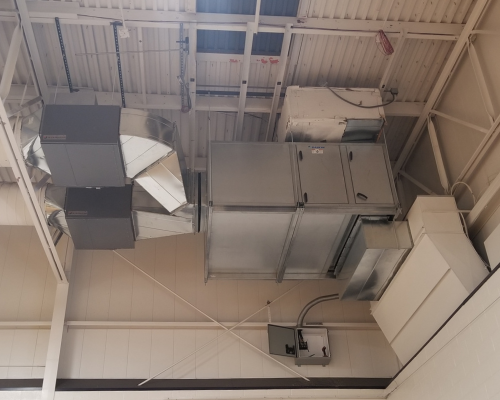
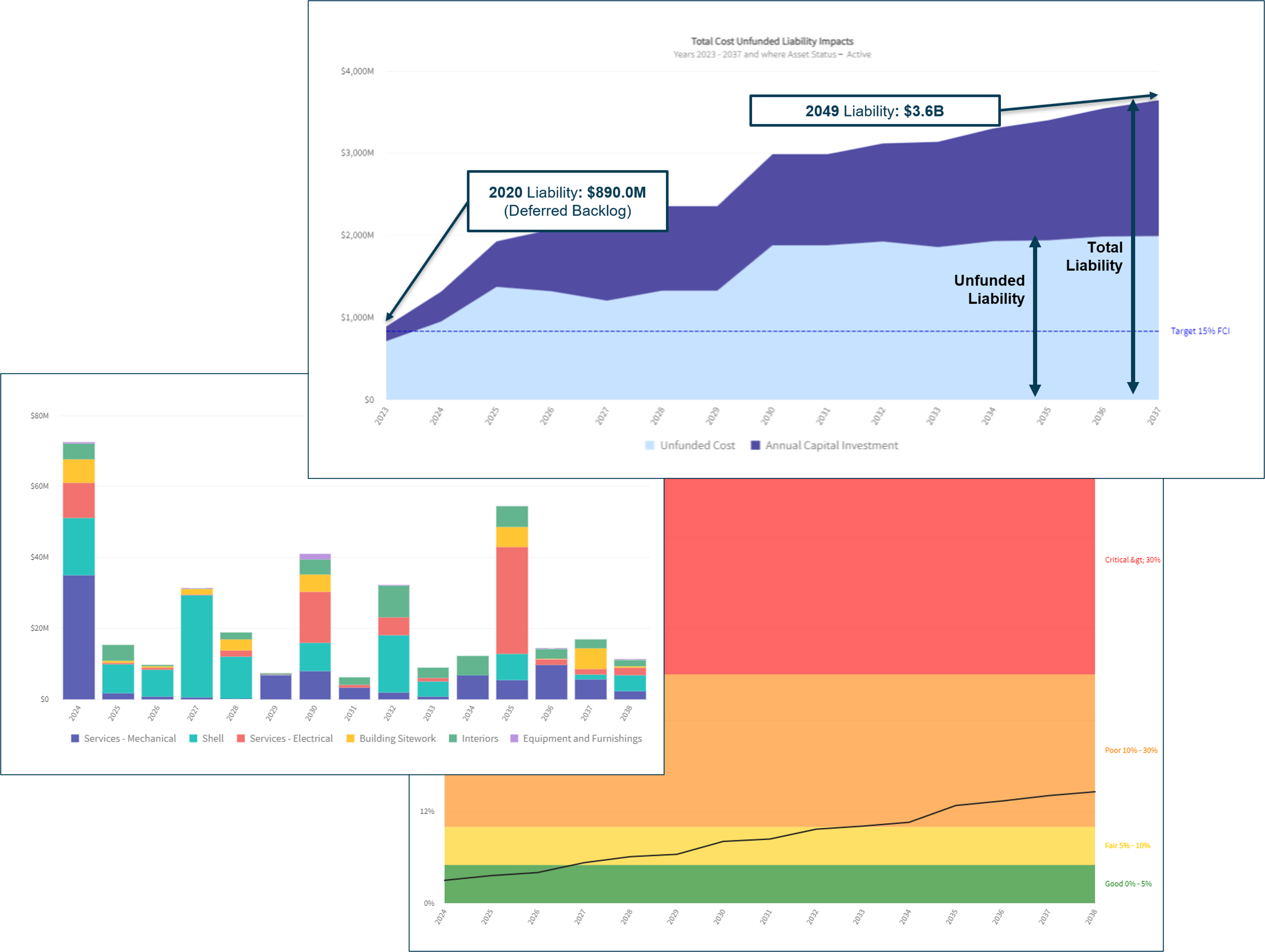
Many campuses and multi-building communities are operating with aging boilers, chillers, and distribution systems that are becoming increasingly expensive to maintain. Deferred maintenance continues to grow while organizations face rising energy costs, stricter sustainability goals, and increasing expectations for occupant comfort and reliability. Incremental equipment replacements may address immediate issues, but they often extend the life of systems that no longer support long-term institutional needs.
Organizations are beginning to view heating and cooling infrastructure through the same lens as other long-lived utility assets. Rather than replacing individual pieces of equipment as they fail, many are evaluating how thermal infrastructure can support broader modernization, resilience, and operational goals across an entire portfolio. This shift is creating new opportunities for geothermal deployment at scale.
Geothermal changes the conversation from replacing equipment to transforming infrastructure.
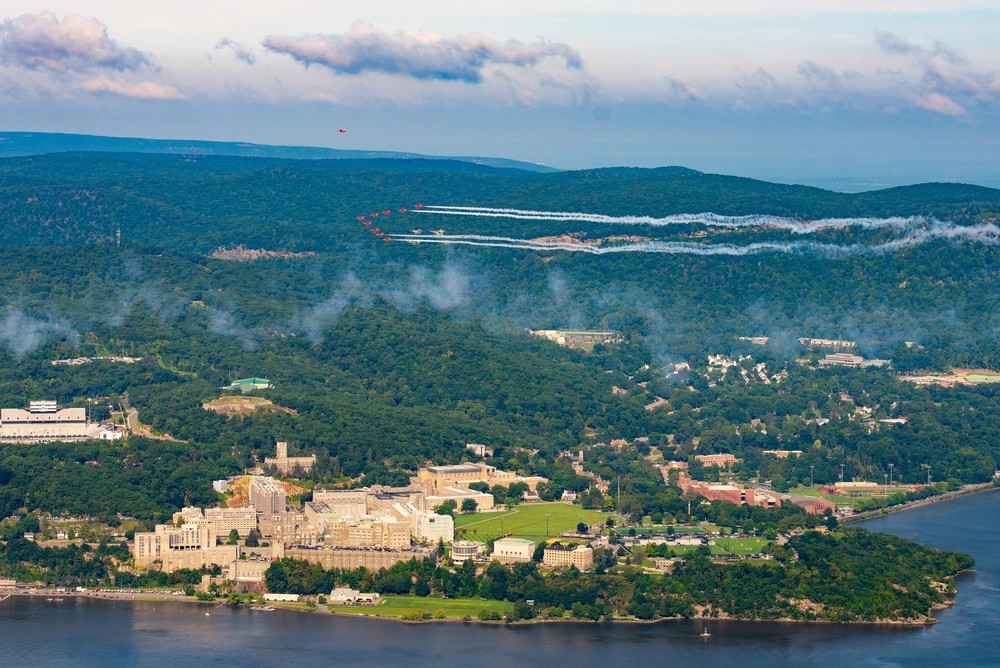
When connected through central plants and campus-wide distribution systems, geothermal allows multiple buildings to share a common thermal resource. Academic buildings, residence halls, laboratories, healthcare facilities, and administrative spaces can all be supported through a unified energy backbone rather than relying on separate boilers and chillers. This creates a more strategic approach to infrastructure investment while improving long-term performance and efficiency.
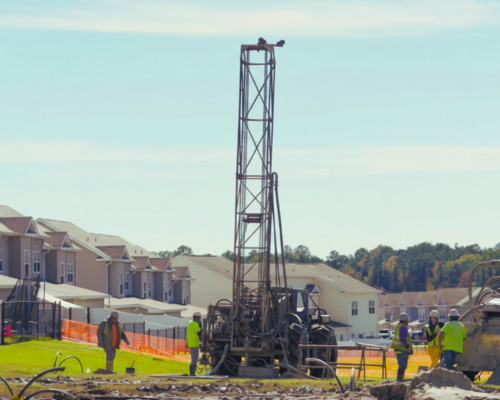
Geothermal does not have to follow a single implementation model. While some campuses benefit from a centralized system that connects multiple buildings through a shared energy backbone, military housing and other residential communities may also benefit from distributed geothermal systems that serve individual buildings, clusters of homes, or phased groups of assets. This approach can help owners modernize aging HVAC infrastructure across a housing portfolio while maintaining flexibility in how projects are sequenced, financed, and delivered.
Like other major infrastructure investments, geothermal can also be implemented in phases. Organizations can prioritize buildings with the highest maintenance needs or poorest performance and expand the system over time as funding becomes available.
Beyond energy savings, campus-scale geothermal can improve operational performance.
Because geothermal systems rely less on combustion-based equipment and fuel delivery, maintenance requirements are reduced over time. Stable underground temperatures combined with modern controls can improve comfort, humidity management, and building performance while creating a more predictable operating environment across multiple facilities. A portfolio-based approach also simplifies long-term planning by reducing variability between buildings and creating a more standardized infrastructure platform.
Geothermal delivers its greatest value as part of an integrated strategy that advances efficiency, resilience, and long-term performance.
Many successful deployments are incorporated into broader Energy Savings Performance Contracts (ESPCs) and campus modernization efforts that include building controls, lighting upgrades, envelope improvements, HVAC optimization, and real-time system monitoring. In these cases, geothermal serves as the foundation for a coordinated strategy that addresses energy use, emissions, deferred maintenance, and operational performance across the entire campus. This integrated approach helps organizations maximize the value of every infrastructure investment while providing a single framework for implementation and accountability.
For campuses supporting research, healthcare, advanced computing, or other mission-critical functions, reliability is as important as efficiency.
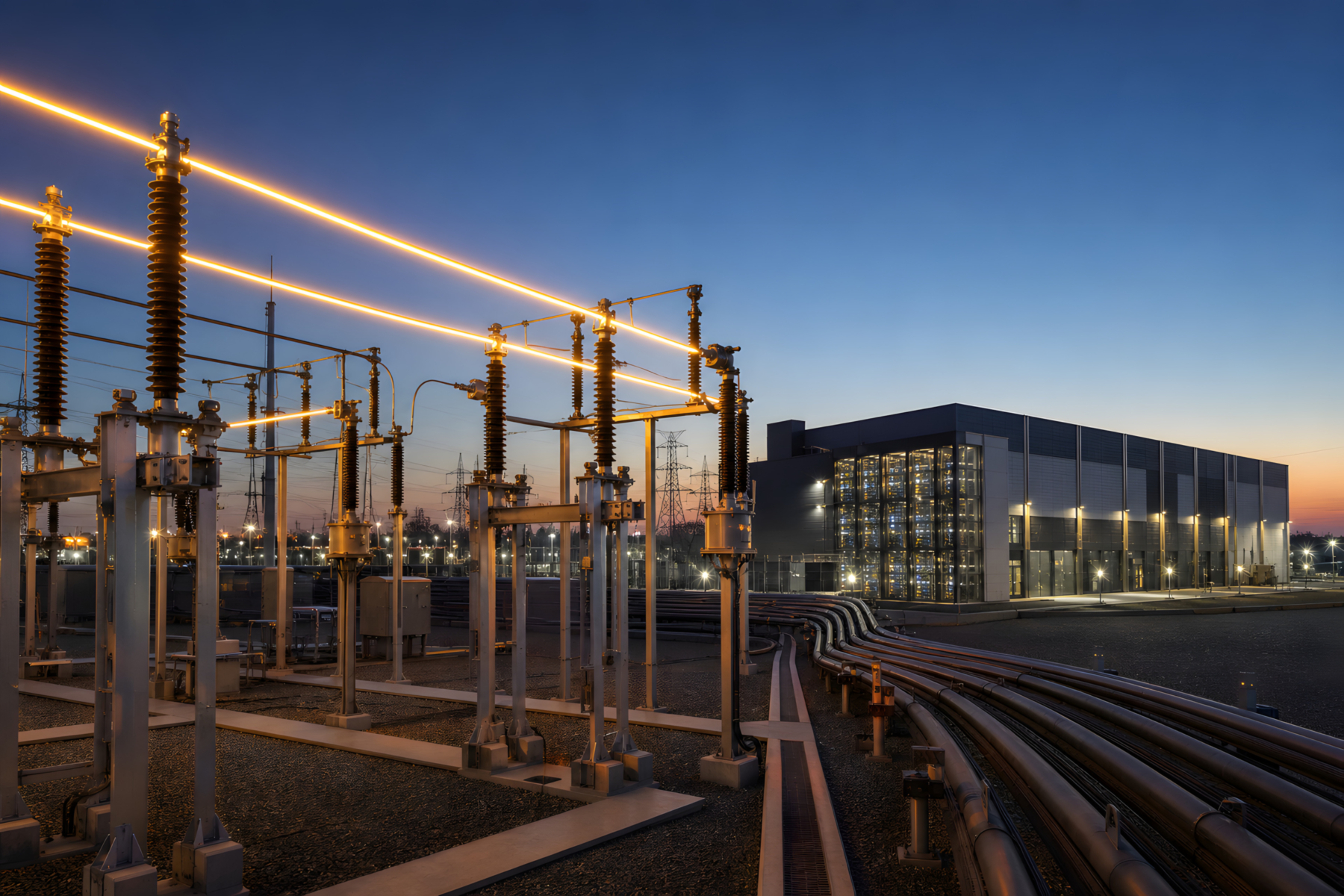
Geothermal systems can operate continuously and provide stable thermal loads that complement complex campus operations. They can support central plants serving chilled water and hot water networks, helping reduce reliance on fossil-fuel peaking equipment while improving overall system stability. As campuses face increasing power demands driven by research activities, electrification, and digital infrastructure, geothermal can act as a foundational component of a more resilient energy strategy.
Successful geothermal implementation begins with infrastructure planning.
Organizations should evaluate existing HVAC assets, replacement timelines, distribution systems, and opportunities for well field development. Financing mechanisms such as ESPCs, investment tax credits, and elective-pay incentives can also play an important role in improving project economics, particularly for public and nonprofit institutions. The most successful projects align technical planning, funding strategies, and long-term modernization goals from the outset.
Geothermal should be viewed the same way organizations view central plants, utility systems, and other critical campus assets.
When approached at portfolio scale, geothermal can help institutions move beyond reactive repairs, address deferred maintenance strategically, modernize aging infrastructure, and create a more predictable platform for future growth. Rather than a single-building upgrade, it becomes a long-term investment in how campuses deliver heating, cooling, comfort, and operational resilience for decades to come.
What infrastructure challenges are campuses facing with aging heating and cooling systems?
Campus heating and cooling infrastructure is increasingly challenged by aging boilers, chillers, and distribution systems that are expensive to maintain. Rising energy costs, growing deferred maintenance, sustainability goals, and expectations for occupant comfort and reliability are driving organizations to pursue long-term infrastructure modernization instead of continuing reactive equipment replacements.
How does geothermal support campus-wide infrastructure modernization?
Geothermal infrastructure supports campus-wide modernization by connecting multiple buildings to a shared thermal resource through central plants and distribution systems. This approach helps organizations move beyond replacing individual equipment and create a more strategic foundation for long-term performance, efficiency, and infrastructure planning across an entire campus.
Can geothermal be implemented across multiple campus buildings in phases?
Geothermal systems can be deployed through centralized or distributed designs that serve multiple buildings, clusters of assets, or residential communities. Geothermal can also be implemented in phases, allowing organizations to prioritize facilities with the greatest maintenance needs and expand infrastructure over time as funding becomes available.
What operational benefits can campus-scale geothermal systems provide?
Campus-scale geothermal systems can reduce maintenance requirements, improve comfort and humidity management, and create more consistent building performance. Stable underground temperatures combined with modern controls help create a more predictable operating environment while supporting standardized infrastructure planning across multiple facilities.
Why is geothermal most effective as part of a broader campus infrastructure strategy?
Geothermal technology delivers the greatest value when integrated with campus modernization initiatives such as building controls, HVAC optimization, lighting upgrades, envelope improvements, and real-time system monitoring. This coordinated approach helps organizations address energy use, emissions, deferred maintenance, and operational performance across the entire campus.
How does geothermal improve campus reliability and resilience?
Geothermal systems can provide stable thermal loads that support complex campus operations and complement chilled water and hot water networks. For research, healthcare, advanced computing, and other mission-critical facilities, geothermal can improve system stability, reduce reliance on fossil-fuel peaking equipment, and support a more resilient energy strategy.
What should organizations evaluate before pursuing a geothermal project?
Geothermal project planning should include an assessment of existing HVAC assets, equipment replacement timelines, distribution systems, and opportunities for well field development. Organizations should also evaluate financing mechanisms such as ESPCs, investment tax credits, and elective-pay incentives that may improve project economics.
Why should geothermal be treated as infrastructure rather than a retrofit?
Geothermal infrastructure should be viewed like central plants, utility systems, and other critical campus assets. When deployed at portfolio scale, geothermal helps organizations move beyond reactive repairs, address deferred maintenance strategically, modernize aging infrastructure, and create a more predictable platform for future growth and operational resilience.
October 20, 2026


 How Healthcare Facilities Can Modernize Energy Infrastructure Without Straining...