Ameresco Insights
Designing Power: Why Power Strategy Is Becoming a Business Strategy
Published October 20, 2026

Ameresco Insights
Published October 20, 2026
Power availability is critical to data center development, but securing a grid connection is only the first step. A broader power strategy determines how that energy will support reliable operations, changing capacity needs and long- term growth.
As organizations deploy larger, more power-intensive facilities, these decisions extend beyond the utility connection. They affect how a facility manages growth, withstands disruption, and maintains operational continuity. Power strategy has become a business decision.
Power strategy is a long-term approach to managing the energy infrastructure that supports a facility’s operations, growth objectives, and resilience requirements. While utility service remains foundational, a power strategy evaluates a wider set of factors, including reliability, scalability, operational risk, cost management, and future expansion. It addresses questions such as how power will be managed as demand grows, how critical workloads will be protected during disruptions, and how infrastructure decisions support broader business objectives over time.
Data centers depend on continuous, high-quality power. Even brief disruptions can affect business operations, customer commitments, and critical digital services. As workloads and power densities rise, the ability to maintain reliable power becomes essential to facility performance.
Uptime Institute’s 2026 analysis found that power remains the leading cause of impactful data center outages, despite ongoing advances in facility design and operations. For data center operators, power strategy is directly tied to business risk and long-term planning.
A reliable power strategy influences expansion, resilience, and operational flexibility. Facilities may have adequate power capacity today, but organizations must also consider whether that capacity can support future growth and changing business requirements.
This perspective shifts energy planning from a utility question to a business question. Leaders are evaluating how power infrastructure can support reliability objectives, mitigate operational risk, and enable future development. Rather than viewing energy as a standalone utility service, organizations are integrating power considerations into investment, growth, and continuity planning.
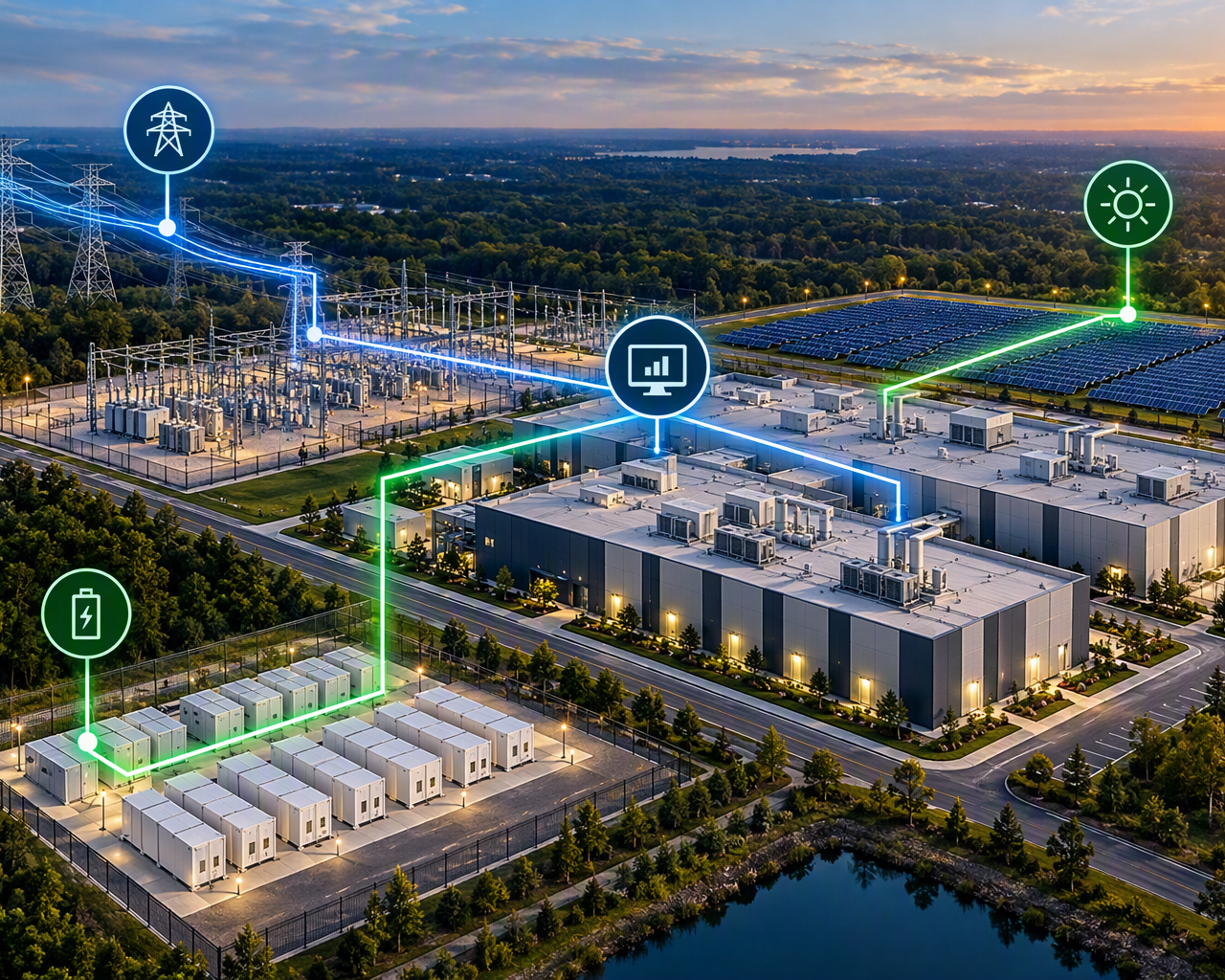
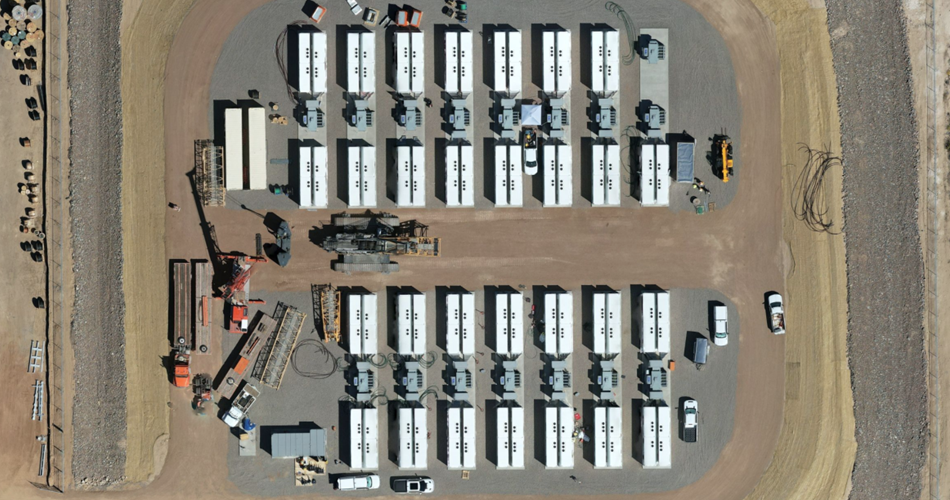
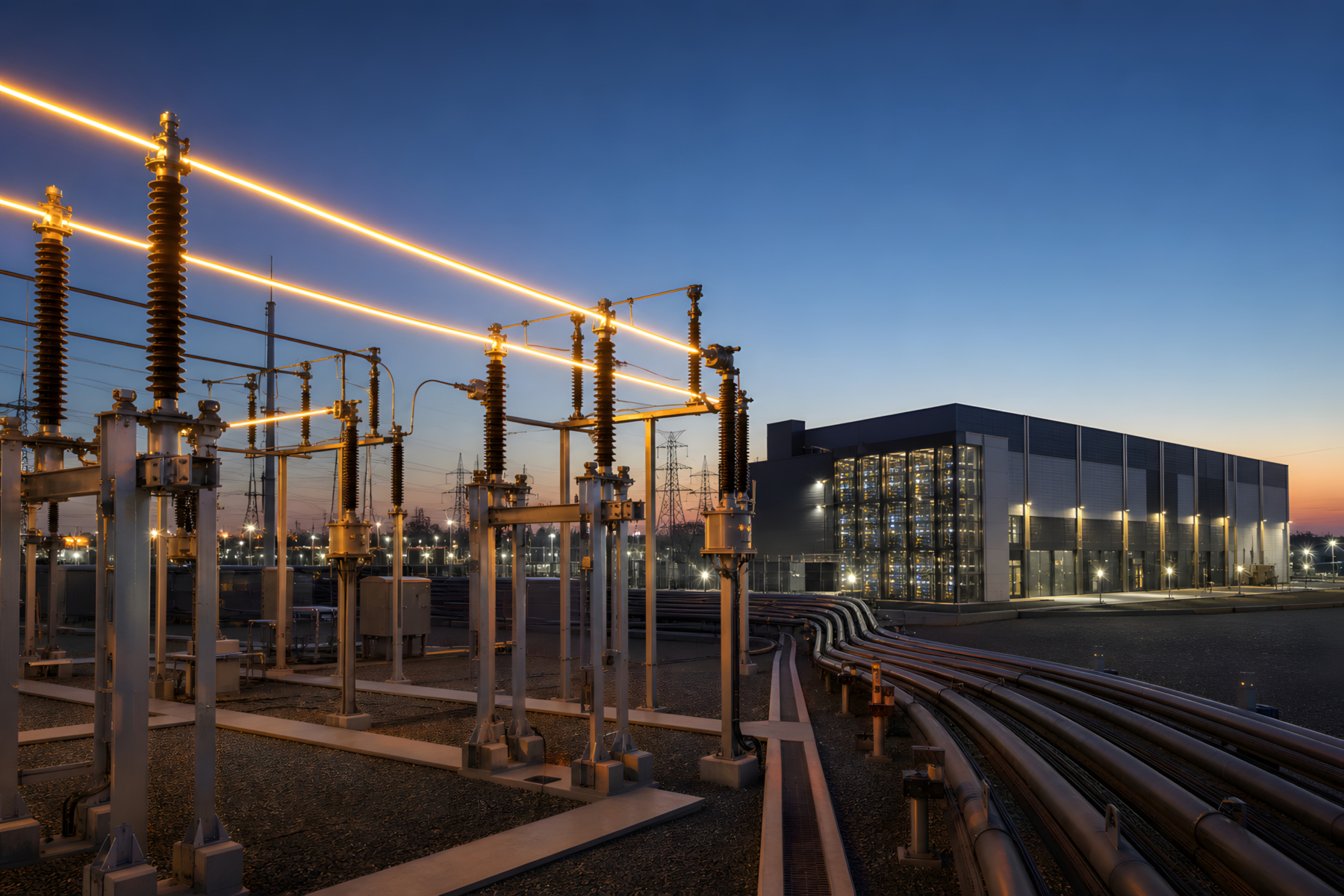
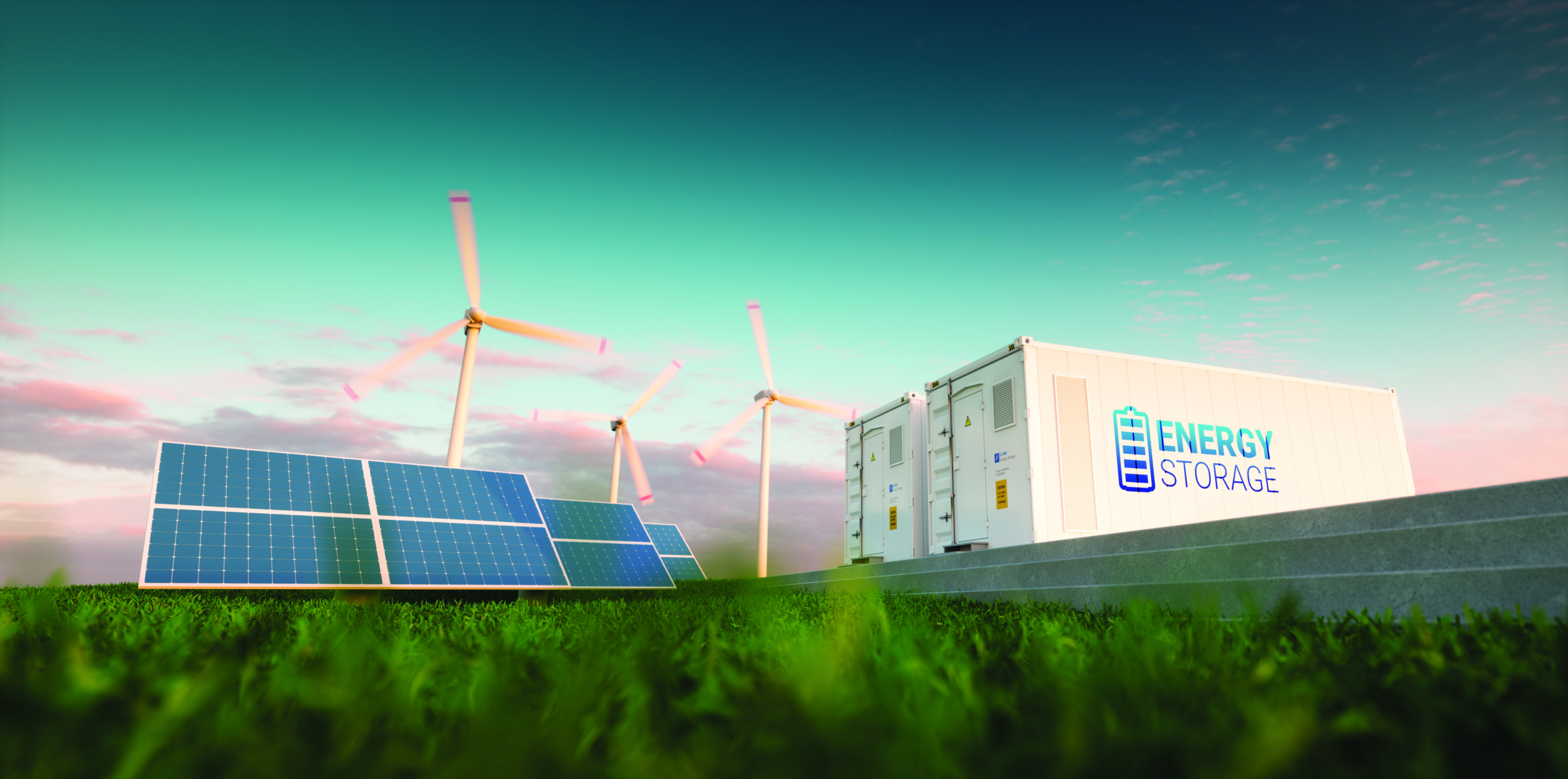
Many organizations are evaluating a broader mix of energy resources to support reliability and flexibility. Depending on facility requirements and local conditions, this can include onsite generation, battery energy storage systems (BESS), renewable energy, microgrids, distributed energy resources, and demand-management strategies. These approaches are often assessed alongside traditional utility service rather than as replacements for it.
It’s not just about securing energy. Developers and operators are looking to improve confidence that sufficient power will be available under a variety of operating conditions. Energy storage can help manage peak demand, onsite generation can provide additional operational support, and distributed resources can increase flexibility as business needs evolve. Together, these approaches reflect a growing focus on resilience and long-term infrastructure planning.
The role of power in facility planning continues to evolve. Access to energy remains essential, but access alone does not address reliability, resilience, scalability, or operational continuity. As power demand grows and infrastructure planning becomes more complex, organizations are broadening the conversation from power availability to power management. In this environment, securing a grid connection is only the first step. Designing a power strategy is what helps transform that connection into a resilient foundation for long-term operations and growth.
This article accompanies the latest episode in Ameresco’s Designing Power video series, “Why Power Strategy Is Becoming a Business Strategy.” Watch the video to learn more about how power strategy is influencing energy infrastructure planning, reliability, and long-term growth.
What is a power strategy for a data center, and why is it important?
Power strategy is a long-term approach to managing the energy infrastructure that supports data center operations, resilience requirements, and growth objectives. It helps organizations evaluate reliability, scalability, operational risk, and future expansion needs so power infrastructure can support long-term business operations and growth.
Why is power strategy becoming a business strategy for data centers?
Power strategy is becoming a business strategy because power decisions influence reliability, operational continuity, risk management, and growth planning. As data centers support larger workloads and higher power demands, organizations are integrating power considerations into broader infrastructure, investment, and business planning decisions.
How is a power strategy different from securing a grid connection?
A grid connection determines where electricity can come from, while a power strategy addresses how that electricity will support business operations over the long term. A power strategy focuses on reliability, resilience, scalability, and operational continuity, extending beyond access to power alone.
How does power strategy support long-term data center growth?
Power strategy supports long-term data center growth by helping organizations evaluate whether current power capacity can support future demand and changing business requirements. It enables power infrastructure decisions to be aligned with expansion plans, resilience objectives, and operational flexibility needs.
How are organizations building more resilient data center power strategies?
Organizations are building more resilient data center power strategies by evaluating a broader mix of energy resources, including onsite generation, battery energy storage systems (BESS), renewable energy, microgrids, distributed energy resources, and demand-management strategies. These approaches are often assessed alongside traditional utility service to support reliability and operational flexibility.
October 20, 2026