Ameresco Insights
Modernization at Scale: How Retrofitting Is Reshaping K-12 and Higher Ed Infrastructure
Published March 26, 2026

Ameresco Insights
Published March 26, 2026
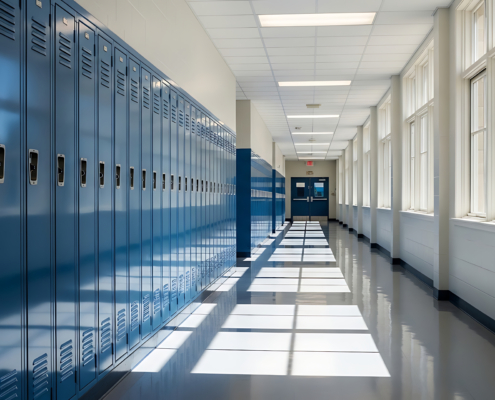
Across North America, educational institutions — from K-12 schools to sprawling university campuses — are facing a common challenge: aging infrastructure and rising operational costs. With many buildings decades old, administrators must decide how to modernize facilities without breaking budgets or compromising sustainability goals. Increasingly, retrofitting existing structures is emerging as the most practical, cost-effective, and environmentally responsible solution.
Constructing new facilities is expensive, time-consuming, and often constrained by supply chain delays and labor shortages. Retrofitting, by contrast, allows schools and universities to upgrade critical systems while preserving existing structures, reducing both costs and timelines. Financial benefits extend well beyond initial construction savings: energy-efficient retrofits can dramatically lower utility bills for years to come.
The U.S. Green Building Council estimates that green schools can save up to $100,000 annually, with roughly half of that from reduced energy costs alone. For higher education institutions managing multiple buildings, the potential savings multiply significantly—freeing up resources for academic programs and student services.
Retrofitting aligns closely with decarbonization goals for the built environment, a priority for both public school districts and universities committed to climate action plans. Studies show that building reuse typically results in lower carbon emissions than new construction, thanks to reduced material consumption and embodied energy.
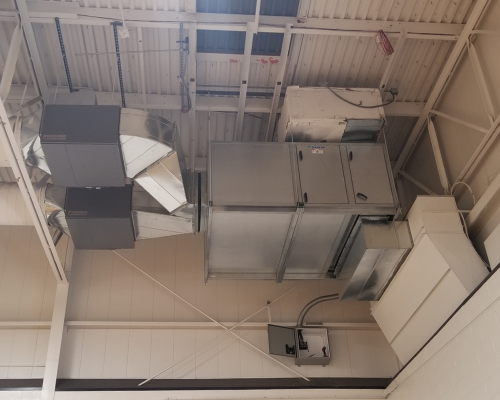
Energy efficiency upgrades are at the heart of sustainable retrofits. Common improvements include:
These upgrades not only lower operating costs but also create healthier learning environments. Improved ventilation, non-toxic materials, and enhanced natural lighting contribute to better indoor air quality—supporting student well-being and potentially reducing absenteeism.
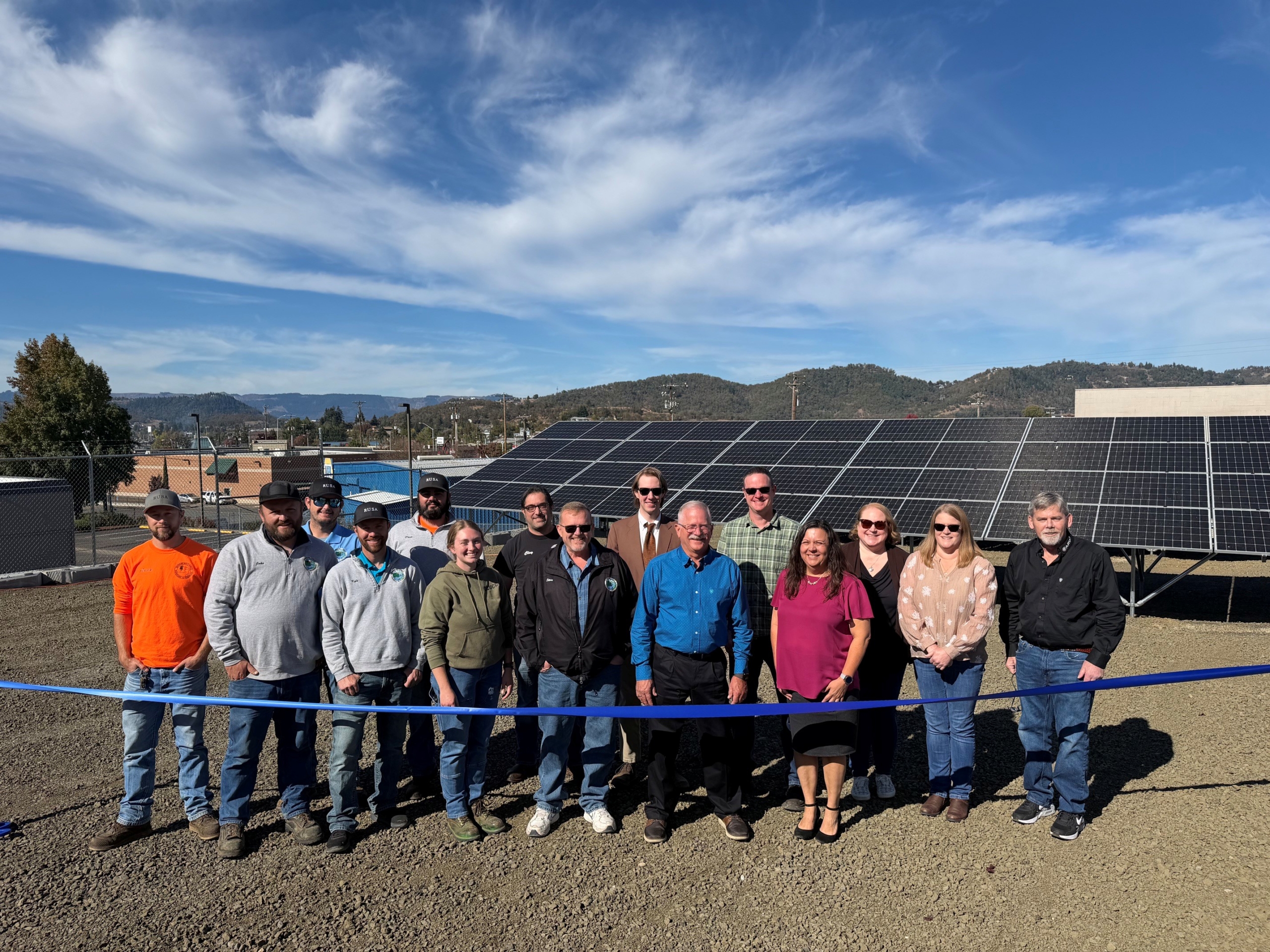
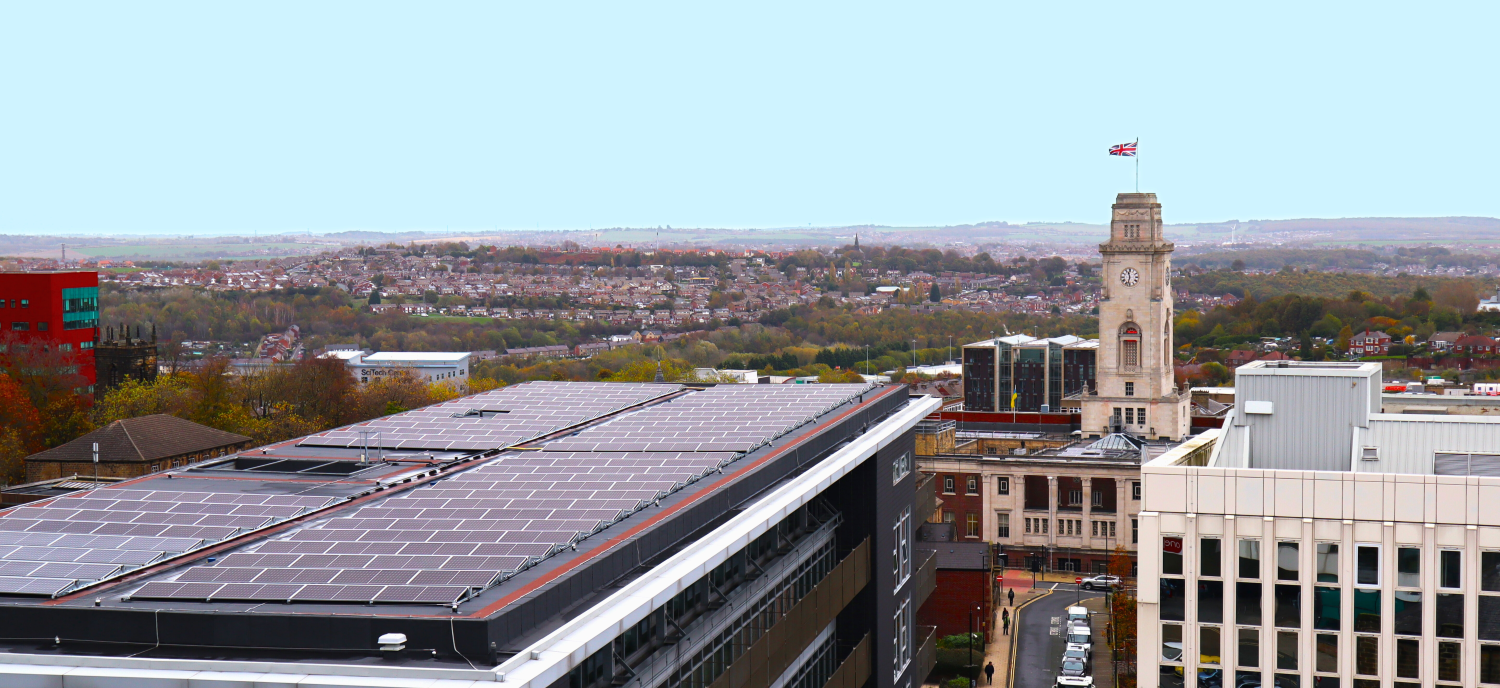
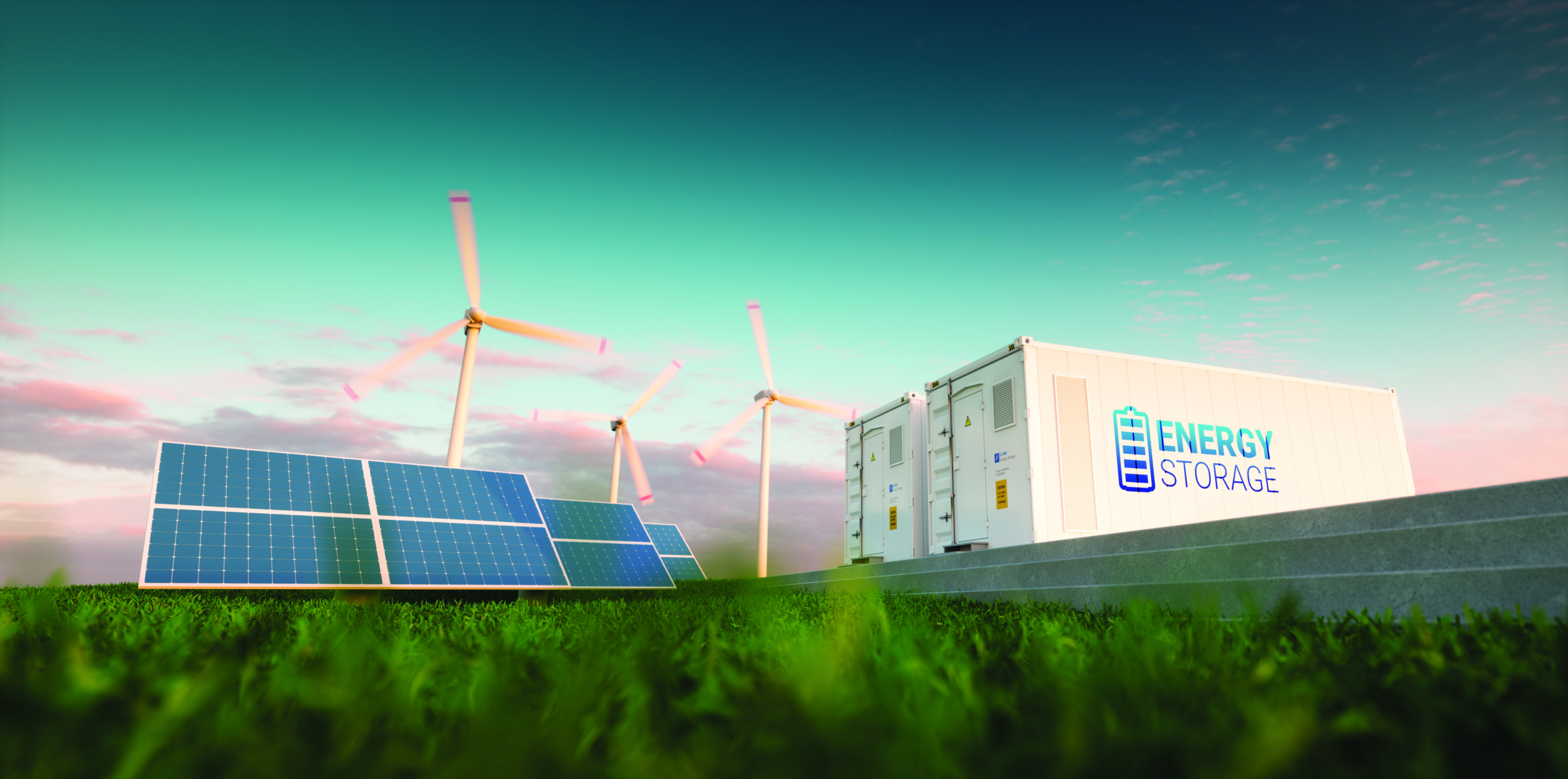
For institutions looking to go further, renewable energy solutions offer a powerful way to accelerate decarbonization. On-site solar installations can offset a significant portion of energy needs, while battery storage ensures resilience during outages. For campuses without space for solar arrays, community solar programs or power purchase agreements (PPAs) provide flexible alternatives.
Pairing renewables with battery energy storage also enhances energy independence, safeguarding operations during emergencies and reinforcing the role of schools and universities as community hubs.
Financing the Transition
Budget constraints are often the biggest hurdle—but innovative financing models are making retrofits more accessible. Options include:
Higher education institutions can also leverage federal and state incentives, green bonds, and partnerships with energy service companies to minimize upfront costs.
Retrofitted facilities do more than reduce carbon footprints—they strengthen community resilience. Schools and universities equipped with efficient systems and backup power can serve as emergency shelters, providing critical resources during natural disasters or grid disruptions.
Modernizing educational infrastructure is no small task, but retrofitting offers a clear path forward—one that balances cost, sustainability, and long-term resilience. By prioritizing energy efficiency, renewable integration, and healthy learning environments, educational leaders can transform aging buildings into future-ready facilities that support both academic success and climate goals.
Looking for a roadmap? Ameresco’s Reducing Costs and Carbon White Paper provides actionable strategies for planning and implementing sustainable retrofits across K-12 and higher education campuses.
How can K-12 schools and universities modernize aging buildings without building new facilities?
Building retrofits help K-12 schools and higher education institutions modernize aging infrastructure by upgrading critical systems, reducing operating costs, and supporting sustainability goals. Retrofitting offers a practical alternative to new construction by avoiding higher costs, longer timelines, and many construction-related challenges.
How do energy-efficient building retrofits reduce costs for schools and universities?
Energy-efficient building retrofits reduce energy consumption and lower utility expenses over time. Upgrades such as LED lighting, high-performance insulation, improved windows, and modern HVAC systems can create long-term operational savings, helping schools and universities direct more resources toward academic programs and student services.
What energy efficiency upgrades are most effective for K-12 schools and higher education buildings?
LED lighting systems, high-performance insulation, upgraded windows, and modern HVAC systems are among the most common energy efficiency upgrades used in educational retrofit projects. These improvements help reduce energy waste, improve thermal control, and support more efficient operation of school and campus facilities.
How can solar energy and battery storage support campus decarbonization and resilience?
Solar energy and battery energy storage help schools and universities reduce carbon emissions while strengthening energy resilience. On-site solar installations can offset a significant portion of campus energy needs, while battery storage helps maintain operations during outages and supports continuity during grid disruptions.
What financing options can help schools and universities pay for energy retrofit projects?
Energy Savings Performance Contracts (ESPCs), on-bill financing, and Commercial Property Assessed Clean Energy (C-PACE) programs can help schools and universities fund energy retrofit projects. These financing approaches help address budget constraints and make energy efficiency and infrastructure modernization investments more accessible.
October 20, 2026


 How Can K–12 School Districts Cut Energy Costs and Modernize Aging Buildi...